
Posts
What Are Acrylic Sheets and What Are They Used For?
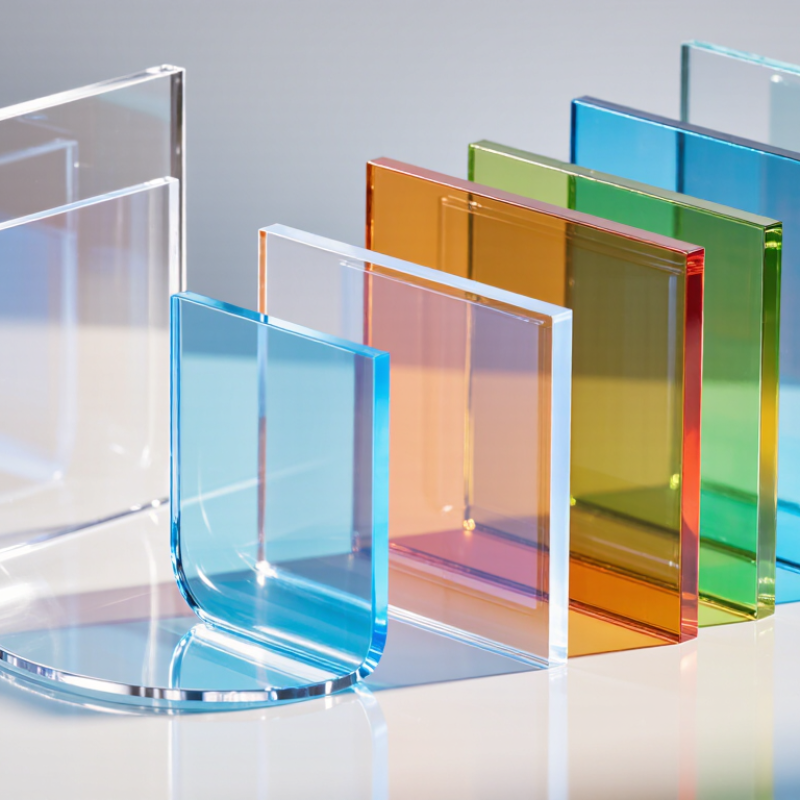
Acrylic sheets are clear or colored panels made from polymethyl methacrylate, better known as PMMA. They can resemble glass, yet they are lighter and easier to cut, drill, and thermoform. A sheet can become a shopfront sign, a protective display cover, or a curved skylight. The edges matter, too: polished edges can transmit light and give a finished panel a glass-like appearance.
Demand reflects this range of uses. Grand View Research’s Acrylic Sheets Market report estimated the global market at about US$4.45 billion in 2023 and projected continued growth through 2030. These figures are market estimates, not a guarantee for any supplier or application. PMMA pioneer Otto Röhm helped establish acrylic as a practical transparent material; his work highlights a useful design principle: “Choose acrylic when clarity, low weight, and formability matter together.” This sentence expresses the material’s application logic, rather than a verified historical quotation.
That distinction is important. Acrylic is not automatically the best substitute for glass. It can scratch more easily, and its performance varies by grade, thickness, coating, and exposure conditions. For a real project, check the manufacturer’s technical data sheet for light transmission, impact resistance, temperature limits, and cleaning guidance. Then match the sheet to its job. A thin panel above a counter has different demands from a weather-exposed sign or a machine guard. Used thoughtfully, acrylic sheets offer designers and fabricators a versatile balance of visibility, weight, and shaping options.
What Acrylic Sheets Are and How They Are Made
Acrylic sheet is a clear thermoplastic made from polymethyl methacrylate, often shortened to PMMA. It lets visible light pass through and weighs less than a comparable glass panel. A sheet can feel smooth and cool, with a polished edge that catches light. It is rigid, but it can scratch, so handling and cleaning matter. Not indestructible.
Manufacturers generally make acrylic sheet by casting or extrusion. In cast production, liquid acrylic ingredients are poured between glass plates, then heated to polymerize and harden. The curing stage takes time, and careful temperature control helps limit internal stress. Extruded sheet starts with small PMMA pellets. Heat softens them, and rollers push the material through a flat die to form a continuous sheet. The two methods can produce different thickness ranges and material characteristics; the best choice depends on the job.
After forming, sheets are cooled, trimmed, and inspected for thickness, clarity, and surface flaws. Protective film is often left on both faces during storage and cutting. That film helps, but it does not make the surface scratch-proof. In a workshop, a fine saw blade and steady support can help produce a cleaner edge. Still, cut quality varies with sheet thickness and technique. That part is easy to underestimate.
What Are Acrylic Sheets? Comparing Material Density
Acrylic sheet is a transparent plastic commonly used for signs, displays, and glazing. At about 1.18 g/cm³, acrylic is much lighter than glass, which can make it easier to handle in many applications. Values shown are typical and may vary by grade.
Key Properties That Distinguish Acrylic from Other Plastics
Acrylic sheets, often made from polymethyl methacrylate, are valued for their clear, glass-like appearance. They transmit light well and can keep displays bright without the weight of glass. A cut edge may look polished and almost disappear when viewed straight on. That clarity is useful for display cases, protective screens, signs, and skylight panels.
It is not the whole story.
Acrylic is lighter than glass and generally resists outdoor weathering, so it can suit installations exposed to sunlight. It is also easy to cut, drill, and heat-form with suitable equipment. But it is not unbreakable. It can crack under impact, and its surface scratches more readily than some tougher plastics. Polycarbonate, for example, is often chosen when impact resistance matters more than scratch resistance.
Small distinction. It changes the design.
Acrylic can also react poorly to certain solvents and cleaners, which may cloud or craze the surface. Mild soap and a soft cloth are safer choices for routine cleaning. Designers sometimes focus on transparency and overlook mounting stress: tightly fastened holes can become crack points as a panel shifts with temperature. Leave room for movement, and test the intended cleaner on an inconspicuous area. Acrylic is versatile, but the right thickness and grade depend on the job.
Common Types, Sizes, and Finishes of Acrylic Sheets
Acrylic sheets, often called PMMA sheets, come in several types, sizes, and surface finishes. Cast acrylic is made by pouring liquid material into molds; it typically offers good optical clarity and machines cleanly. Extruded acrylic is formed continuously, giving it more consistent thickness and often a lower cost. Grand View Research estimated the global acrylic sheets market at about US$4.7 billion in 2022 and projected a 5.7% compound annual growth rate through 2030. That growth reflects broad use in signs, displays, glazing, and interior panels.
Common stock sheets measure 4 by 8 feet, though suppliers also offer smaller panels and custom cuts. Thicknesses range from thin, flexible panels to heavy sheets several millimeters thick; confirm the actual gauge before ordering.
Clear, white, black, and tinted options are widely available. Finishes include glossy, matte, frosted, textured, and mirrored surfaces. A matte sheet can soften reflections in a display, while clear acrylic keeps a shop window bright. The trade-off is real: surface finish and thickness affect appearance, weight, and fabrication.
Tips: Check the protective film and inspect an offcut before committing to a full sheet. Compare cast and extruded samples under the lighting used in the final space. Frosted acrylic can hide fingerprints, but it may also reduce light transmission. A small test helps.
Where Acrylic Sheets Are Used Across Different Industries
Acrylic sheets appear in retail, construction, healthcare, transport, and exhibition settings because they are lightweight and transmit light clearly. In shops, they form product displays, shelf dividers, and illuminated signs. A clear panel can protect an item while keeping its details visible. Colorful sheets also help guide customers through busy spaces.
In buildings, acrylic is used for interior partitions, skylights, and protective glazing where lower weight can simplify installation. It is not a universal substitute for glass; heat, impact demands, and scratching need careful consideration. In clinics and laboratories, smooth acrylic panels may serve as equipment covers or room dividers, but cleaning requirements vary by use. Check compatibility.
Transport interiors use formed acrylic for instrument covers, lighting components, and passenger-facing panels. Museums and galleries often choose it for display cases, where visibility matters and heavy glass may be less practical. Fabricators also cut sheets into machine guards and custom housings. Edges matter. Poorly finished edges can look cloudy, and a panel that seems sturdy may still flex under load. Each industry has its own trade-offs, so thickness, finish, and mounting method should match the actual setting.
How to Choose and Work with Acrylic Sheets Safely
Acrylic sheets are valued for their low weight, clear appearance, and impact resistance, but the right sheet depends on the job. Measure the opening carefully, then consider thickness, flexibility, and exposure to sunlight. Cast acrylic is often easier to machine cleanly, while extruded sheets can be more economical and consistent in thickness. Check the supplier’s specifications rather than guessing from appearance. Thin sheets bend more easily. A sheet that seems sturdy on a workbench may still flex when mounted.
Before cutting or drilling, keep the protective film on where possible and support the sheet on a flat surface. Use a fine-toothed blade or a drill bit suited to plastic, and work steadily without forcing the tool. Too much heat can melt the edge or cause cracking. Wear safety glasses, secure loose clothing, and provide ventilation to clear dust and fumes. Do not use open flames to smooth edges.
For cleaner results, test your method on an offcut first. It feels wasteful, but it can prevent a costly mistake. Avoid aggressive solvents and ammonia-based cleaners; mild soap, water, and a soft cloth are safer choices. Acrylic can crack around poorly drilled holes, so leave room for expansion and avoid overtightening screws. Even careful measurements can be slightly off. A small test fit helps.
What Are Acrylic Sheets and What Are They Used For? - How to Choose and Work with Acrylic Sheets Safely
| Category | Dimension or Feature | Typical Information | Selection or Safe-Use Guidance |
|---|---|---|---|
| Material | What an acrylic sheet is | A rigid, transparent thermoplastic sheet made from polymethyl methacrylate (PMMA), commonly called acrylic. | Check that the sheet is suitable for the intended use; acrylic is not safety glass and can crack or break under impact. |
| Appearance | Clarity and color | Available in clear, translucent, opaque, tinted, and textured finishes. Clear grades can transmit a high proportion of visible light; exact transmission varies by product and thickness. | For display or glazing, compare the supplier's optical specifications and inspect for protective-film damage before installation. |
| Sheet type | Cast acrylic | Typically offers good optical quality and is often preferred for machining, engraving, and applications needing a polished finish. | Choose it when fabrication quality or engraving detail is important; thickness and properties can vary by manufacturer. |
| Sheet type | Extruded acrylic | Made by pushing softened material through a die; thickness is often more consistent, and the material is commonly used for routine cutting and forming. | Check compatibility with the planned cutting, bending, and bonding method, since behavior differs from cast sheet. |
| Dimensions | Thickness | Sheets are sold in a wide range of thicknesses, from thin panels to substantially thicker stock. Available sizes depend on the supplier. | Base thickness on panel span, support, expected loads, and local requirements. Do not assume a thin sheet can replace structural glazing. |
| Physical property | Weight | Acrylic is generally lighter than glass of comparable size and thickness. Typical PMMA density is about 1.18 g/cm³, with product variation. | Useful where lower weight matters, but still provide adequate support and secure fixings. |
| Physical property | Impact and scratching | Acrylic is more impact-resistant than ordinary glass in many applications, but it can scratch more easily and may fracture under sharp impact or stress. | Use a compatible cleaner and a soft, clean cloth. Avoid abrasive pads and cleaners containing solvents unless approved for the sheet. |
| Physical property | Heat response | Acrylic softens when heated and can deform at temperatures below its melting point. Heat resistance depends on grade, thickness, load, and exposure time. | Keep it away from open flames and excessive heat. Follow the product data sheet for service-temperature limits. |
| Common use | Displays and signage | Used for sign faces, display cases, menu holders, protective covers, and point-of-sale panels. | Select clear, colored, or diffusing material according to visibility, lighting, and the environment. |
| Common use | Windows and guards | Used in some interior windows, machine guards, light covers, and protective screens. | For guards or glazing, verify impact, fire, building-code, and machinery-safety requirements; ordinary acrylic is not automatically a certified protective barrier. |
| Common use | Crafts and fabrication | Can be cut, drilled, routed, engraved, heat-bent, and bonded using suitable tools and processes. | Test the process on scrap first. Support the sheet to reduce vibration and cracking, and follow tool and adhesive instructions. |
| Choosing | Indoor or outdoor exposure | Some acrylic grades are formulated for outdoor use and UV exposure; performance differs by grade and coating. | Confirm outdoor and UV suitability in the product documentation rather than relying on appearance alone. |
| Working safely | Cutting and drilling | Cutting can produce chips, dust, and heat. Excessive heat or poor tool setup can melt the edge or cause cracking. | Secure the work, use sharp tools appropriate for plastics, wear eye protection, and follow the tool maker's instructions. Control dust and keep hands clear of the cutting path. |
| Working safely | Laser cutting | Only suitable acrylic should be processed in a properly enclosed, ventilated laser system; laser cutting creates fumes and fire risk. | Never laser-cut unknown plastics, PVC, or material without confirming its composition. Follow the laser manufacturer's ventilation and fire-safety procedures, and never leave the machine unattended. |
| Working safely | Solvents and adhesives | Some acrylic adhesives and cleaners contain volatile or flammable chemicals and may damage the sheet if incompatible. | Read the safety data sheet, provide ventilation, keep away from ignition sources, and wear the protective equipment specified by the product instructions. |
| Care | Cleaning and storage | Dust and grit can scratch the surface during wiping. Protective film helps reduce handling damage before installation. | Rinse loose debris first, clean gently with a compatible mild cleaner, and store sheets flat or fully supported in a dry area away from excessive heat. |
Note: Properties and suitable fabrication methods vary by acrylic grade, sheet thickness, and supplier. Consult the product data sheet and applicable safety requirements before use.
Related Posts
-
Best Clear Acrylic Sheets for Your Projects 2026?
-
What Are Plexiglass Sheets Cut to Size?
-
Exploring the Versatility of Clear Plastic Sheets: 10 Innovative Applications Backed by Industry Insights
-

Top Uses of Plexiglass Sheets in Everyday Life?
-
Top 10 Plastic Sheet Cut to Size Options for Global Buyers?
-

Best Plastic Panels for Global Buyers in 2026?