
China Top 10 Packing Covers Manufacturers for Global Buyers?
For global buyers, choosing reliable Packing Covers manufacturers in China involves more than comparing factory prices. These products protect furniture, machinery, textiles, and household goods during storage and transport. A weak cover can expose cargo to dust, moisture, abrasion, or unexpected handling damage. Small details matter. Stitch density, seam finishing, fabric weight, coating quality, and package labels deserve close attention. This guide introduces ten Chinese manufacturers for buyers seeking practical, repeatable supply solutions.
The selection focuses on manufacturing experience, product range, material knowledge, quality control, export communication, and customization capacity. Some suppliers may offer woven polypropylene, PE, PVC-coated fabric, nonwoven, or reusable textile covers. Each material serves a different working environment. Buyers should request samples, technical data, test reports, and clear production photographs before placing large orders. Factory audits and pre-shipment inspections can reveal issues that polished catalogs hide. Price alone is not reliable evidence.
The ranking is not a permanent judgment. Capabilities change with equipment, staff, raw-material sources, and order volume. That deserves honest attention. A manufacturer with strong sewing quality may have slower sampling. Another may respond quickly but lack advanced coating control. This article therefore encourages direct verification, written specifications, and realistic delivery planning. With careful comparison, global buyers can identify Packing Covers partners that balance durability, consistency, service, and long-term commercial reliability.
What Are Packing Covers and Why Do Global Buyers Need Them?
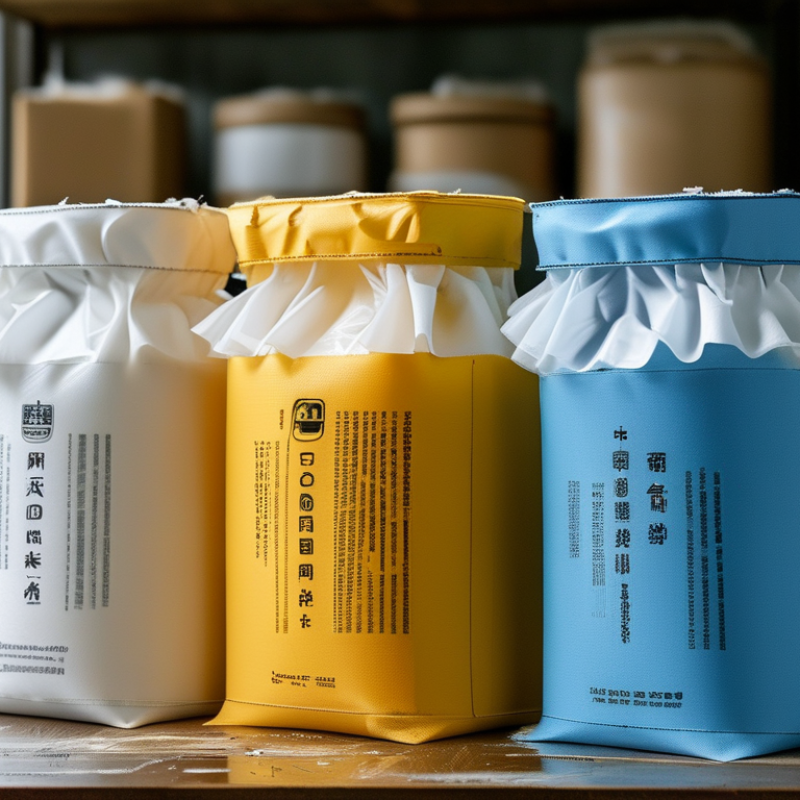
Packing covers are protective sheets or fitted enclosures used around pallets, cartons, machinery, furniture, and industrial goods. They may use woven polypropylene, polyethylene film, coated fabric, or reusable textile materials. Their job is practical: reduce dust, rain exposure, sunlight damage, scratches, and handling wear during storage and transport.
Global buyers need packing covers because cargo may travel through several climates and handling environments. A pallet leaving a dry warehouse can face coastal humidity, heavy rain, or strong ultraviolet exposure within days. A suitable cover can include reinforced seams, heat-sealed edges, eyelets, drawstrings, or hook-and-loop closures. Fit matters. An oversized cover may flap against the load, while a tight one can tear at the corners.
When evaluating Chinese manufacturers, buyers should request material specifications, thickness or weight data, sample covers, and quality inspection records. Ask how seams are tested and whether production batches remain consistent. Field inspections often reveal small weaknesses, such as uneven stitching or brittle eyelets, that photographs hide. Moisture is the quiet risk. Some covers resist water but trap condensation, so ventilation may still be necessary for sensitive goods. A thicker cover is not always better; it may add freight cost and slow installation. Buyers should compare durability, reuse potential, packing method, and actual route conditions before approving a large order. Supplier communication can also fail when “waterproof” lacks a defined test standard. Clear drawings and written acceptance criteria prevent costly misunderstandings.
China Top 10 Packing Covers Manufacturers for Global Buyers? - What Are Packing Covers and Why Do Global Buyers Need Them?
Anonymous supplier capability comparison for international sourcing and packaging protection projects
| Rank | Anonymous Manufacturer Profile | Typical Product Focus | Material Options | Typical GSM Range | Common Size Range | Water-Resistance Level | Customization Capability | Typical MOQ | Estimated Lead Time | Best-Fit Buyer Need | Export Readiness |
|---|---|---|---|---|---|---|---|---|---|---|---|
| 1 | Supplier Profile 01 | Heavy-duty cargo covers Industrial pallet covers | Coated woven PP, PE laminated fabric | 160–250 g/m² | 1.0 × 1.0 m to 6.0 × 12.0 m | High; typically 1,500–2,500 mm water pressure | Die-cutting, elastic hem, eyelets, drawcord, sewn panels | 500 pieces | 20–35 days | Long-distance transport and outdoor storage | Strong export packaging support |
| 2 | Supplier Profile 02 | Pallet protection covers Warehouse dust covers | Recycled PE, virgin PE, LDPE film | 80–180 g/m² | 0.8 × 1.0 m to 2.5 × 6.0 m | Medium to high; commonly 800–1,800 mm | Printed warning marks, perforation, folded packs, custom thickness | 1,000 pieces | 15–30 days | Retail distribution centers and palletized goods | Efficient bulk packing |
| 3 | Supplier Profile 03 | Reusable logistics covers Returnable transport covers | Woven PP, polyester oxford, PVC-coated fabric | 180–320 g/m² | Custom fitted dimensions up to 4.0 × 8.0 m | High; welded or stitched waterproof seams available | Fitted corners, hook-and-loop closures, zippers, inspection windows | 300 pieces | 25–40 days | Automotive, electronics, and closed-loop logistics | Strong engineering support |
| 4 | Supplier Profile 04 | Agricultural packing covers Produce protection covers | UV-treated PE, breathable PP nonwoven, laminated fabric | 90–220 g/m² | 1.2 × 1.5 m to 5.0 × 10.0 m | Medium; breathable and water-repellent options | UV stabilizer, ventilation panels, color coding, roll packaging | 800 pieces | 20–35 days | Farming, food logistics, and seasonal storage | Good seasonal production planning |
| 5 | Supplier Profile 05 | Furniture and mattress covers Moving protection covers | PE film, nonwoven polypropylene, laminated spunbond | 45–120 g/m² | 0.6 × 1.0 m to 3.0 × 5.0 m | Water-repellent; light to medium protection | Transparent panels, handles, zippers, reusable closures | 2,000 pieces | 15–25 days | Furniture exports, relocation, and showroom storage | Competitive for high-volume orders |
| 6 | Supplier Profile 06 | Machine and equipment covers Protective industrial sheets | PVC-coated polyester, heavy PE tarpaulin | 280–600 g/m² | 1.5 × 2.0 m to 8.0 × 15.0 m | Very high; heat-sealed seams available | Complex patterns, reinforced corners, lifting points, flame-retardant fabric | 100 pieces | 30–50 days | Industrial machinery, construction, and marine equipment | Suitable for technical projects |
| 7 | Supplier Profile 07 | Lightweight export covers Carton and parcel covers | LDPE, HDPE woven fabric, thin PE laminate | 35–100 g/m² | 0.5 × 0.7 m to 2.0 × 4.0 m | Basic to medium; suitable for indoor and short-term use | Perforated rolls, custom folding, bulk bags, simple printing | 3,000 pieces | 12–25 days | Cost-sensitive parcel, carton, and warehouse applications | Fast replenishment capability |
| 8 | Supplier Profile 08 | Reusable retail covers Garment and textile covers | Nonwoven PP, polyester, recycled textile blends | 60–160 g/m² | 0.6 × 1.0 m to 1.8 × 3.0 m | Water-repellent; optimized for dust and abrasion protection | Handles, viewing windows, zippers, breathable panels, folding inserts | 1,000 pieces | 20–35 days | Retail, apparel, home textiles, and repeated handling | Good for private-label packaging programs |
| 9 | Supplier Profile 09 | Eco-focused packing covers Reusable protective bags | Recycled PP, rPET, recyclable PE, kraft-textile composites | 80–220 g/m² | 0.5 × 0.8 m to 3.0 × 6.0 m | Medium to high, depending on coating and seam construction | Recycled-content documentation, mono-material design, reusable closures | 1,000 pieces | 25–45 days | Buyers seeking lower material impact and circular packaging | Documentation should be confirmed per order |
| 10 | Supplier Profile 10 | Custom project covers Small-batch protective covers | Canvas, oxford polyester, PE tarpaulin, coated nonwoven | 120–450 g/m² | Prototype to 6.0 × 10.0 m | Application-specific; water-repellent to waterproof | Sampling, CAD patterns, mixed materials, special closures, short runs | 100–500 pieces | 25–50 days | Specialized cargo, prototypes, and low-volume projects | Flexible but quotation-dependent |