How to Choose the Perfect Acrylic Sheets for Your Project
Choosing the perfect acrylic sheets for your project can seem overwhelming, given the myriad options available in the market today. According to John Harrison, a leading expert in the acrylic industry, “The right choice of acrylic sheets can transform your vision into reality, offering both functionality and aesthetic appeal.” Acrylic sheets are a versatile material widely used in various applications, from home decor and signage to industrial uses and DIY projects.
When embarking on a project, understanding the specific needs such as thickness, clarity, and UV resistance of the acrylic sheets is crucial. By carefully considering these factors, you can ensure that your chosen sheets not only meet your practical requirements but also enhance the overall design of your project. Whether you're a seasoned professional or a DIY enthusiast, making an informed selection will set the foundation for success. Keep in mind, the right acrylic sheets can elevate your project and provide long-lasting beauty and durability, making them a worthy investment.

Understanding Different Types of Acrylic Sheets Available in the Market
When it comes to choosing acrylic sheets for your project, understanding the different types available in the market is crucial. Acrylic sheets can be categorized primarily into two varieties: cast acrylic and extruded acrylic. Cast acrylic sheets are made by pouring a liquid polymer into a mold, allowing for excellent optical clarity and resistance to UV light. This type is ideal for applications where clarity and durability are essential, such as in display cases or windows. They also tend to be thicker and can be more easily shaped or machined, making them a preferred choice for artistic or structural projects.
On the other hand, extruded acrylic sheets are produced through a continuous process that forces the polymer through a die, resulting in a more uniform thickness. These sheets generally have a lower cost and are available in a wide range of colors and finishes, making them suitable for crafts, signage, and architectural elements. However, they may not offer the same level of clarity or durability as cast sheets. Understanding these key differences will help you make an informed decision based on the specific requirements of your project, such as clarity, thickness, and budget constraints.
How to Choose the Perfect Acrylic Sheets for Your Project - Understanding Different Types of Acrylic Sheets Available in the Market
| Type of Acrylic Sheet |
Thickness (mm) |
Light Transmission (%) |
UV Resistance |
Common Applications |
| Clear Acrylic |
2 - 25 |
92 |
Yes |
Displays, Windows |
| Colored Acrylic |
2 - 25 |
Varies |
Yes |
Signage, Art Projects |
| Frosted Acrylic |
2 - 25 |
70 |
Yes |
Privacy Panels, Light Covers |
| Mirrored Acrylic |
2 - 6 |
N/A |
Limited |
Decor, Display Projects |
| Anti-Reflective Acrylic |
3 - 12 |
92 |
Yes |
Display Cases, Screens |
Key Factors to Consider When Selecting Acrylic Sheets for Your Project
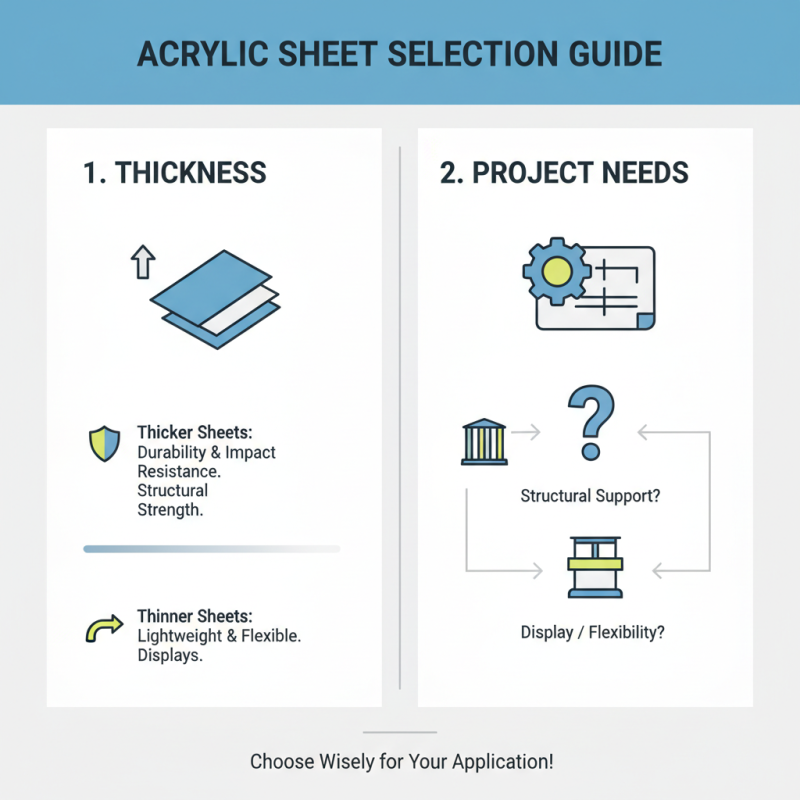
When selecting acrylic sheets for your project, several key factors should be considered to ensure you make the best choice. First, assess the thickness of the sheets. Thicker acrylic sheets offer greater durability and resistance to impact, making them ideal for applications that require structural strength. On the other hand, thinner sheets may be more suitable for lightweight projects, displays, or where flexibility is needed. Evaluating the thickness based on the specific demands of your project is crucial.
Another important factor is the type of acrylic you choose. There are variations such as cast and extruded acrylic, each with different characteristics. Cast acrylic tends to provide better clarity and is more resistant to scratching, while extruded acrylic is often more affordable and offers good optical quality. Additionally, consider the finish of the sheets. Options range from clear and transparent to tinted and frosted, allowing you to select based on aesthetic preferences and functional needs, such as light diffusion or privacy. Taking these elements into account will help you find the perfect acrylic sheets tailored to your project requirements.
Evaluating Thickness and Durability Requirements for Acrylic Sheets
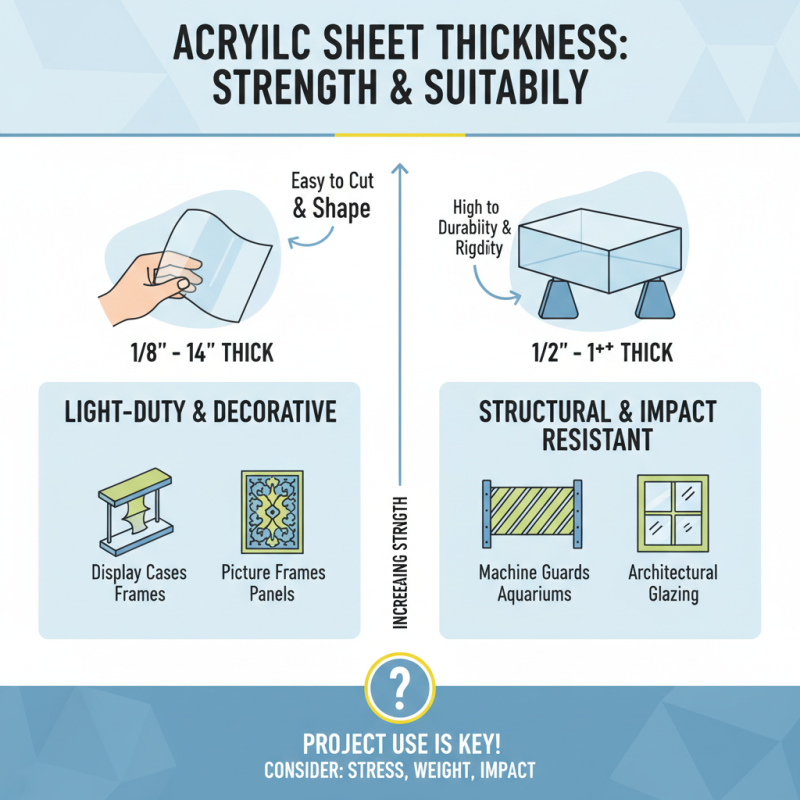
When selecting acrylic sheets for a project, evaluating thickness is a critical factor that directly influences both strength and application suitability. Generally, acrylic sheets range from thin options of around 1/8 inch to thicker varieties exceeding 1 inch. For light-duty applications, such as display cases or decorative elements, thinner sheets may suffice. However, for structural uses or environments that require greater impact resistance, opting for thicker acrylic is advisable. The intended use plays a major role; projects exposed to potential stress or weight should consider increased thickness to ensure longevity.
Durability is another essential consideration when choosing acrylic sheets, as it can impact both performance and safety. Acrylic has an impressive resistance to breakage compared to glass, yet the level of durability may still vary based on thickness and grade. For outdoor applications, selecting sheets with UV resistance is also crucial to prevent yellowing and degradation over time. It's important to assess environmental conditions and any potential hazards that the acrylic may face. By carefully evaluating both thickness and durability, you can select acrylic sheets that will meet the specific demands of your project and ensure its success.
Exploring Color and Finish Options for Custom Acrylic Sheet Applications
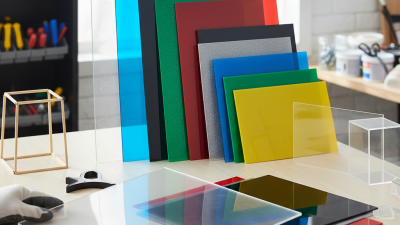
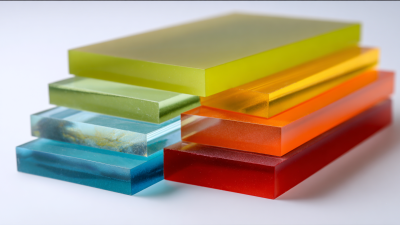
When choosing acrylic sheets for your project, selecting the right color and finish is crucial to achieving your desired aesthetic and functional results. According to a report by Grand View Research, the global acrylic sheet market is expected to reach USD 4.83 billion by 2025, driven largely by the versatility of colors and finishes available. Custom acrylic sheets come in a variety of hues, from vibrant primary colors to elegant pastels, which can enhance the visual appeal of displays, signage, and architectural designs. Additionally, the introduction of specialty finishes, such as frosted, mirrored, or textured surfaces, can further customize the look and feel of the material, making it suitable for unique applications.
Color not only influences aesthetics but also impacts the performance of acrylic sheets in certain environments. For instance, opaque colors can block UV light, which is essential for preserving the integrity of light-sensitive materials housed within. Research indicates that up to 95% of UV rays can be filtered through tinted acrylic sheets, making them an excellent choice for store displays or artwork exposure. Furthermore, clear and transparent finishes provide optimal clarity and light transmission, which is particularly beneficial in projects involving illumination or visual merchandising. As the demand for customized solutions grows, understanding the color and finish options available can significantly enhance the effectiveness and appeal of your acrylic applications.
Color and Finish Options for Custom Acrylic Sheets
Assessing Cost and Availability of Acrylic Sheets for Your Specific Needs
When selecting acrylic sheets for your project,
cost and availability
are crucial factors that can significantly impact your final decision. Acrylic sheets come in various
thicknesses, colors, and finishes, which can influence their price. Generally, thicker sheets or
specialty finishes tend to be more expensive. Before making a purchase, it's essential to assess
your budget and identify which specifications are necessary for your project. This evaluation can
help streamline your options and prevent overspending on unnecessary features.
Availability plays an equally important role in
the selection process. Not all suppliers stock the same sizes and types of acrylic sheets, so researching
local and online retailers is vital. Many suppliers offer a variety of options, but lead times for orders
can vary. If your project has a tight deadline, choosing a readily available sheet will be advantageous.
Additionally, consider checking inventory levels to avoid delays and ensure that the chosen acrylic sheets
can be sourced quickly. By focusing on both cost and
availability, you can make a more informed choice that aligns
with your project's needs.