How to Choose the Best Plastic Fabrication Methods for Your Needs?
The process of plastic fabrication has become increasingly essential across various industries. According to a report from Smithers Pira, the global market for plastic fabrication is projected to reach $600 billion by 2026. This growth showcases the diverse applications and innovations in plastic materials. Selecting the right fabrication method is crucial for achieving high-quality products that meet specific requirements.
When evaluating plastic fabrication methods, it's vital to consider factors such as durability, cost, and production speed. Each method offers unique advantages and challenges. For example, injection molding provides rapid production but requires high upfront costs. In contrast, 3D printing is cost-effective for low volumes but may lack material strength compared to traditional methods.
It’s not just about efficiency; reliability and sustainability are also critical. A recent study from Grand View Research indicates that 67% of manufacturers prioritize eco-friendly practices in their operations. Assessing your specific needs can ensure the chosen method aligns with broader industry trends and standards. Recognizing these complexities in plastic fabrication will lead to informed decisions and better outcomes for your projects.
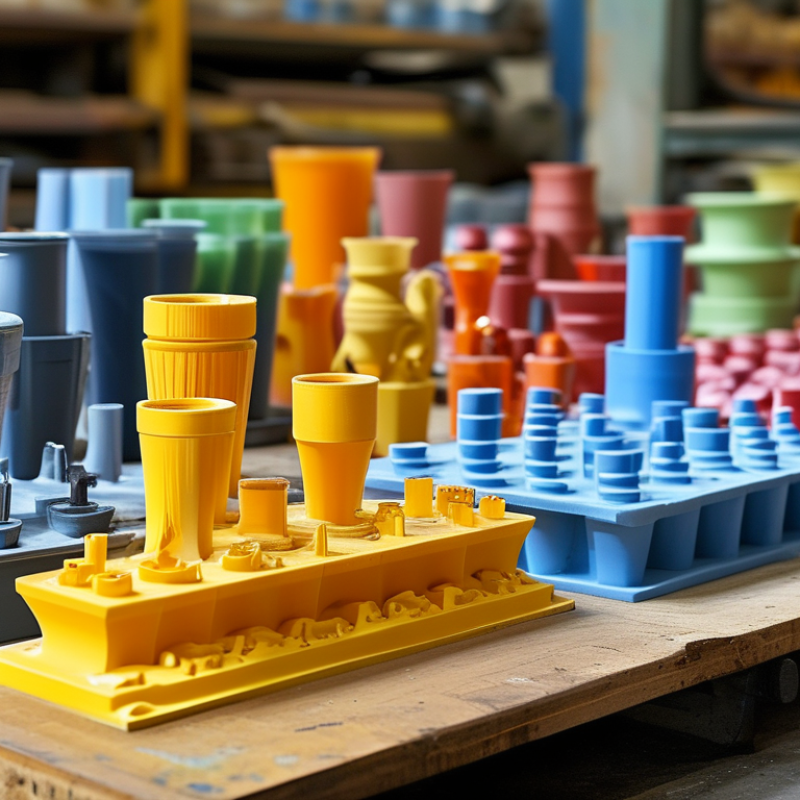
Understanding Your Plastic Fabrication Needs
When considering plastic fabrication, it's crucial to assess your own needs thoroughly. Different projects demand different approaches. For example, some tasks may require precision machining, while others might be more suited for injection molding. Understanding the nature of your project helps to clarify which methods will serve you best.
It’s wise to evaluate the scale of your project. Small-scale projects may benefit from 3D printing, offering flexibility and quicker turnarounds. Larger projects often require more traditional methods like blow molding to ensure efficiency and cost-effectiveness. Stay open to experimenting with various techniques. This trial-and-error approach can lead to surprisingly effective solutions.
One important aspect is material compatibility. Not every fabrication method works well with every type of plastic. Experimenting with different materials for your methods can yield valuable insights. The key is to balance your vision with realistic capabilities. Carefully documenting your process can help refine your approach over time. Always reflect on the lessons learned after each project to improve future decisions.
Overview of Common Plastic Fabrication Methods
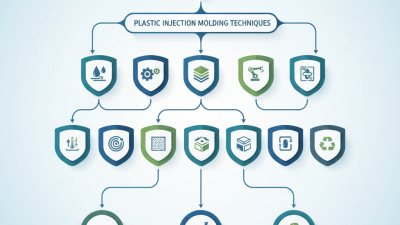
When selecting a plastic fabrication method, understanding common techniques is essential.
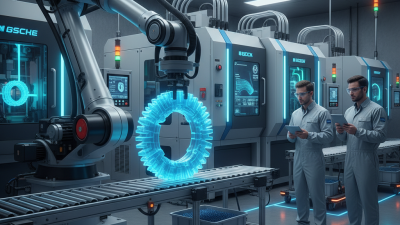
Injection molding stands out for large-scale production due to its speed and efficiency. This method involves injecting molten plastic into a mold, creating precise and complex shapes. It’s ideal for high-volume items like containers or industrial parts. However, the initial cost for molds can be significant, which poses a risk for smaller projects.
Another prevalent method is CNC machining.
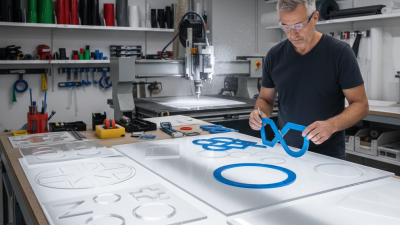
It utilizes a computer-controlled machine to carve plastic from a solid block. This technique offers flexibility and precision for custom parts or prototypes. It is suitable for lower quantities and intricate designs. One consideration is that it can take longer than molding.
Consider your project’s specific needs. For example, if you prioritize quick turnaround and lower costs, CNC might be a better option. If you need high volume with uniform quality, injection molding could be the way to go. Always assess the trade-offs.
Understanding these fabrication methods helps avoid costly mistakes. Doing thorough research or seeking expert advice is advisable.
Factors to Consider When Choosing a Fabrication Method
Choosing the right plastic fabrication method requires careful consideration of multiple factors. Start with the type of plastic material you plan to use. Each method reacts differently to materials like acrylic, PVC, or polyethylene. Understanding these characteristics can help you avoid costly mistakes. Different techniques also offer varying levels of precision. If you need intricate designs, methods like CNC machining may be more suitable.
Cost is another crucial factor. While advanced techniques may yield high-quality results, they can also be expensive. Assess your budget before committing to a specific method. Beyond finances, think about production volume. Some methods cater to large-scale production while others work better for small batches. Low-volume projects may benefit from techniques like 3D printing, though they might not suit high-demand contexts.
Finally, consider the environmental impact of your choice. Some fabrication methods produce more waste than others. Opting for sustainable practices can enhance your brand’s reputation. Reflecting on these points can guide you in making an informed decision that aligns with your operational goals and values.
Comparing Cost, Efficiency, and Output Quality
Choosing the right plastic fabrication method can greatly impact your project. Cost is often a key factor. Different methods have varying expenses based on materials, labor, and technology used. For example, injection molding might require a higher upfront cost due to complex machinery, but it can become cost-effective for large production runs.
Efficiency varies significantly among techniques. Some methods, like CNC machining, offer precise cuts but can take longer per unit. In contrast, 3D printing can produce prototypes quickly, though it may not support large quantities well. Output quality is crucial. Methods that ensure tight tolerances will yield parts that fit better and perform optimally. It’s worth noting that some fabrication methods might compromise quality for speed, leading to potential long-term issues.
While exploring these factors, reflect on your project’s specific needs. What matters most: speed or quality? Are there budget constraints? Weighing these questions can help in making informed decisions. Sometimes, the best choice isn’t the most obvious one. Each method has its strengths and weaknesses, and understanding these can lead to better outcomes.
How to Choose the Best Plastic Fabrication Methods for Your Needs? - Comparing Cost, Efficiency, and Output Quality
| Fabrication Method |
Cost per Unit ($) |
Production Speed (units/hour) |
Output Quality (1-10) |
Best Use Case |
| Injection Molding |
0.50 |
1000 |
9 |
High volume production |
| 3D Printing |
5.00 |
5 |
7 |
Prototyping and customization |
| CNC Machining |
3.00 |
50 |
8 |
Precision parts and low volumes |
| thermoforming |
2.00 |
200 |
6 |
Low to medium volume packaging |
| Blow Molding |
0.75 |
500 |
8 |
Hollow parts like bottles |
Finalizing Your Decision for Optimal Results
Choosing the right plastic fabrication method is crucial for achieving optimal results. It requires careful consideration of your project’s specific needs. Each method has its own advantages and challenges. For instance, injection molding is efficient for large production volumes but can be costly for small runs. On the other hand, CNC machining offers precision but may not be ideal for thick parts. Evaluate your project's scale and detail to identify the best fit.
After narrowing down your options, think about the materials involved. Different plastics have varied properties, such as temperature resistance and flexibility. This can impact both functionality and appearance. It’s also essential to consider your budget and timeline. Some methods may be faster but might compromise on quality, while others could deliver exceptional detail but take longer to complete. Be prepared to weigh these factors against your desired outcome. Reflection on past projects may also inform your decision, highlighting what worked and what didn’t.