What is a geomembrane welding machine and how does it work?
In the field of geosynthetics, the geomembrane welding machine plays a crucial role. This sophisticated equipment ensures the integrity and durability of geomembrane installations. According to Dr. John Smith, a renowned expert in geotechnical engineering, “A reliable geomembrane welding machine is essential for long-lasting environmental solutions.” His words underscore the importance of this technology in various applications.
geomembrane welding machines use heat, pressure, and speed to create strong, impermeable seams. These are vital for landfill liners, pond liners, and other containment solutions. The welding process requires precision and skill. Operators must understand temperature settings and material specifications to avoid failures.
Moreover, challenges in this industry remain. The technology is not perfect; improper usage can lead to leaks and environmental issues. Regular maintenance of the welding machines is critical but often overlooked. Companies need to invest time and resources to ensure optimal performance. This is where expertise and continuous training come into play, making geomembrane welding machines not just tools, but vital assets in sustainable engineering.
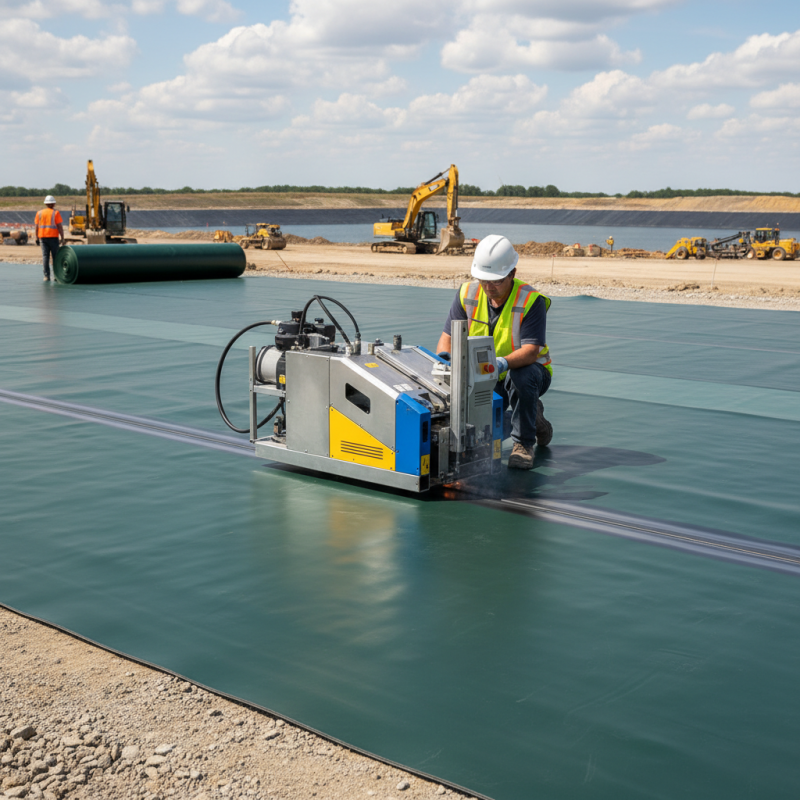
What is a Geomembrane Welding Machine?
A geomembrane welding machine is essential for constructing impermeable barriers. These machines are designed to heat and fuse geomembrane materials, making them strong and reliable. Typically, they use techniques like hot wedge, hot air, or ultrasonic welding. Each method has its benefits, ensuring a perfect fit for various projects.
In practice, the welding process involves several critical steps. First, the geomembrane sheets are laid out carefully. A clean surface is necessary to prevent contamination. Then, operators align the edges precisely, which is crucial for a solid bond. The machine heats the edges, melting them to create a durable seam. However, achieving optimal results can be tricky. It's easy to use the wrong temperature or speed, leading to weak joints.
Attention to detail is vital. Inspecting the seams after welding can reveal issues. A small oversight might cause leaks later on. Continuous training for operators can improve the process. Keeping the equipment maintained is also important. Overall, understanding how these machines work helps in many applications, from landfills to water containment.
Key Components of a Geomembrane Welding Machine
A geomembrane welding machine is essential for constructing waterproof barriers. It is primarily used in landfills, reservoirs, and other applications that require durable, flexible membranes. Understanding the key components of these machines can improve efficiency and reliability in the field.
One crucial component is the heating element. This element generates the necessary heat to fuse geomembrane layers effectively. The ideal temperature range typically falls between 300°F to 400°F. Another vital part is the pressure roller, which ensures a consistent pressure during welding, promoting better adhesion. The control system also deserves attention. Advanced systems often feature digital displays and programmable settings to enhance user experience.
Tips: Regular maintenance can help extend the life of the welding machine. Check the heating element for wear and tear frequently.
Additionally, consider the choice of welding technique. Hot wedge and extrusion welding are common methods. Each has its advantages depending on the project requirements. It's important to reflect on past project outcomes to make better choices in the future. The quality of seams directly impacts project success rates, as studies show improper welding can lead to up to 30% leak failures in geomembrane installations.
Geomembrane Welding Machine - Key Components
Types of Welding Techniques Used in Geomembrane Machines
Geomembrane welding machines are essential in various industries, especially for containment applications. They seal synthetic materials effectively, preventing leakage and damage. The techniques used in these machines significantly impact the project’s quality and durability.
One common method is hot wedge welding. This technique utilizes a heated wedge to join geomembranes together. The wedge melts the material, enabling a strong bond.
Another method is extrusion welding. Here, molten material is extruded between the geomembrane surfaces. This creates a solid weld line that is robust.
Tips: Always ensure that the welding area is clean. Contamination can weaken the welds. Regularly monitor the machine for temperature consistency. A small discrepancy might lead to failure. Be cautious with the materials used. Not all geomembranes are compatible with every technique. Testing sample welds is advisable before full-scale application.
The Process of Welding Geomembranes Step by Step
Welding geomembranes is crucial in various applications, like landfills and reservoirs. The process involves several key steps. First, prepare the surfaces. Clean and dry them to remove any debris or contaminants. This step is essential for a strong bond.
Next, align the geomembrane sheets. This can be tricky. Ensure there is no tension or overlapping, as this can lead to issues later. Some operators might overlook this step, thinking it’s not important. But it is vital for creating a proper seal.
Once aligned, the welding machine comes into play. It uses heat to fuse the sheets together. Different machines may have various settings. Adjusting temperature and speed is crucial. Too much heat might damage the material, while too little will leave weak seams. After welding, conduct a thorough inspection. Look for imperfections. If any are found, re-weld those areas immediately. Mistakes can compromise the entire project. Attention to detail during every step ensures durability and effectiveness in the final application.
What is a geomembrane welding machine and how does it work? - The Process of Welding Geomembranes Step by Step
| Step | Process Description | Equipment Used | Safety Measures |
| 1 | Surface Preparation | Geomembrane Roll | Gloves, Safety Glasses |
| 2 | Alignment of Geomembrane | Geomembrane Welding Machine | Hard Hats, PPE |
| 3 | Welding Procedure | Hot Air Welder | Respirators, Ear Protection |
| 4 | Cooling Period | Cooling Fans | None |
| 5 | Quality Assurance Testing | Testing Equipment | Gloves, Safety Glasses |
Applications and Benefits of Using Geomembrane Welding Machines
Geomembrane welding machines play a crucial role in various industries. They are essential for creating durable barriers, especially in containment applications. These machines use heat and pressure to fuse geomembrane materials. This process ensures a strong, waterproof seal that prevents leakage of liquids or gases.
One of the primary applications of geomembrane welding machines is in environmental protection. They are widely used in landfills, aquaculture, and mining. These machines help create containment liners that protect groundwater from contamination. In agriculture, they are used for ponds and irrigation systems. The benefits are clear: enhanced safety, reduced risk of leaks, and longer lifespan for projects.
However, there are also challenges. Proper operation requires skilled technicians. Incorrect settings can lead to weak welds, which undermine the whole project. Regular maintenance of machines is necessary. Without it, performance can decline. Industries must invest in training to avoid these issues. The need for continuous learning and improvement is key to maximizing the benefits of geomembrane welding machines.