What is Plastic Cut to Size and How is it Used?
Plastic cut to size has become an essential component across various industries. It allows manufacturers to customize plastic materials to precise specifications. According to a report by MarketsandMarkets, the global plastic fabrication industry is projected to reach $95 billion by 2026. This highlights the increasing demand for customized solutions.
Expert Mark Johnson, a leading figure in the plastic industry, states, "Plastic cut to size enables businesses to optimize their production processes." His insights underline how tailored solutions can improve efficiency and reduce waste. However, the process isn’t without its challenges. Ensuring precise measurements and managing material waste remains a concern for many businesses.
The ability to source specific dimensions can lead to innovation, but it also requires careful consideration. Companies must balance between customization and cost-effectiveness. As the demand grows, so too does the responsibility of ensuring sustainable practices in the plastic cut to size sector.
What is Plastic Cut to Size?
Plastic cut to size refers to plastic sheets, rods, or other forms that are cut into specific dimensions to meet design requirements. This practice is crucial across various industries, including construction, manufacturing, and signage. According to recent industry reports, the global plastic market is projected to reach over $750 billion by 2025, indicating a growing reliance on customized solutions.
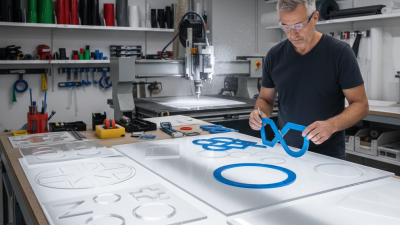
One common application of plastic cut to size is in the signmaking industry. Sign shops often require materials in unique dimensions to create visually appealing products. Additionally, sectors such as automotive and aerospace benefit from tailored plastic parts for improved functionality.
However, some businesses may overlook the importance of precision in cutting. Miscalculating dimensions can lead to waste and increased costs. A report from the Plastics Industry Association highlighted that improper sizing contributes to a significant portion of material waste—up to 30% in some cases.
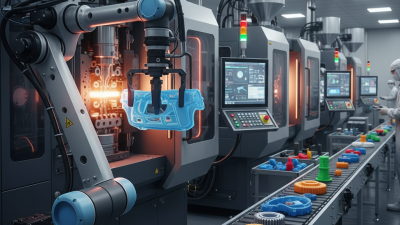
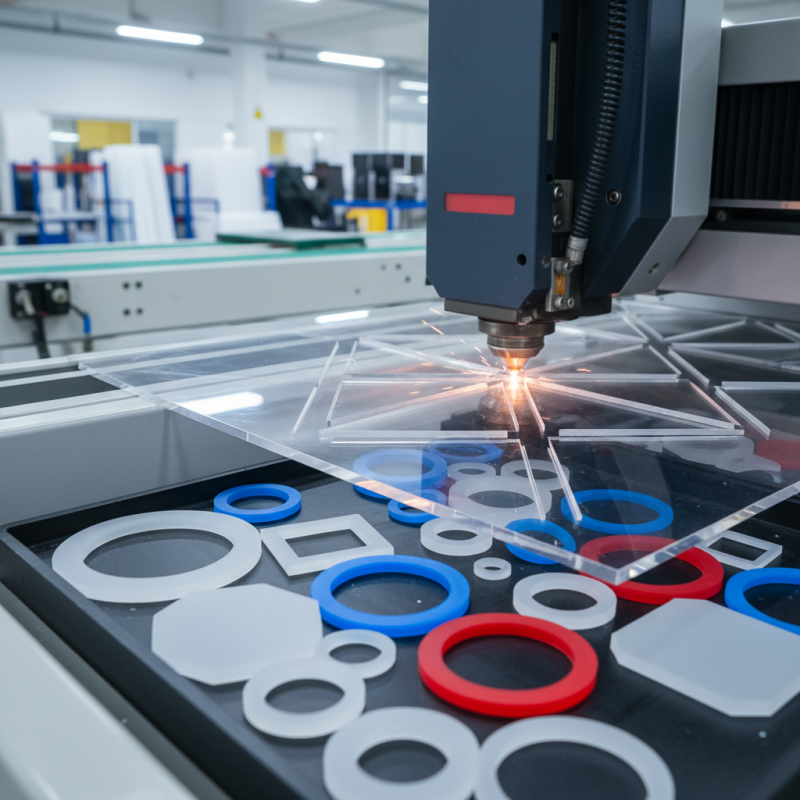
The process of cutting plastic to specific sizes involves utilizing tools like CNC machines or laser cutters. These methods ensure accurate results but can be costly. While many businesses invest in these technologies, some may hesitate due to high initial costs. Ultimately, the balance between quality and expense remains a critical challenge for companies. In an industry where precision is key, it is essential to find ways to optimize operations without sacrificing quality.
Types of Plastics Commonly Used for Cut to Size Applications
When discussing plastics cut to size, various types emerge as favorites in different industries. Acrylic, for instance, is lightweight and highly transparent. Known for its shatter resistance, it’s often used in displays and signage. A report from the Plastics Industry Association highlights that acrylic constitutes about 20% of the cut-to-size plastic market.
Polycarbonate is another popular choice. It boasts high impact resistance, making it ideal for applications like machine guards and safety shields. It is noted for its ability to withstand extreme temperatures. Industry data shows that polycarbonate is increasingly preferred due to its durability.
PVC, or polyvinyl chloride, offers versatility at a low cost. It comes in various forms, including rigid and flexible types. This plastic is commonly used in construction, signs, and even medical applications. However, processing PVC requires caution due to potential waste challenges. Each type of plastic has its advantages and drawbacks, which should be considered in choosing the right material.
Common Types of Plastics Used for Cut to Size Applications
Manufacturing Processes for Plastic Cutting to Size
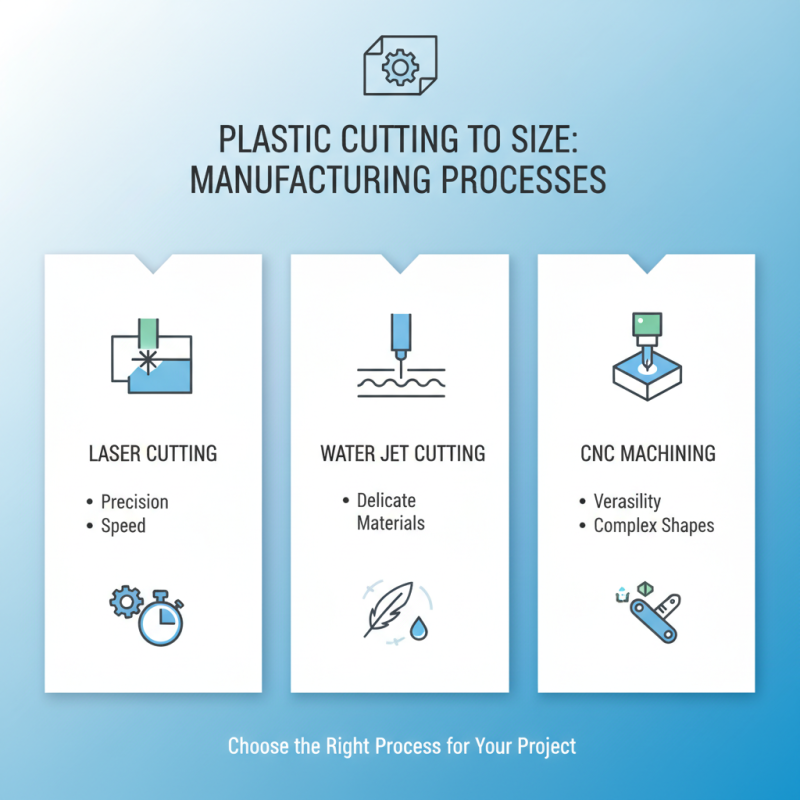
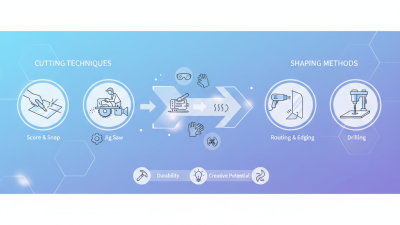
When considering plastic cut to size, several manufacturing processes come into play. The most common methods include laser cutting, water jet cutting, and CNC machining. Each method has its own strengths. Laser cutting offers precision and speed. Water jet cutting, however, is great for delicate materials. CNC machining provides versatility for complex shapes.
The choice of method depends on the application. For instance, parts requiring intricate details may benefit from CNC machining. On the other hand, high-volume production might lean towards laser cutting for efficiency. The material type also influences the decision. Certain plastics handle heat better, making them suitable for laser processes.
Despite the advantages, challenges exist in the cutting process. Misalignment can cause inaccuracies. Operator skills play a significant role in ensuring quality. Additionally, waste material can accumulate quickly, necessitating proper planning. Awareness of these factors helps in refining the process. It’s a continuous learning experience, where every cut can yield new insights.
Applications and Industries Utilizing Custom Cut Plastic
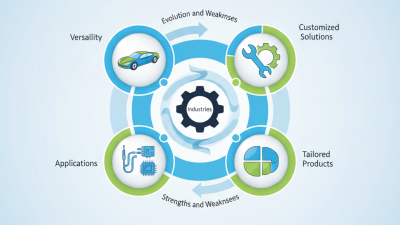
Custom cut plastic has diverse applications across various industries. In manufacturing, it serves as a versatile material for creating components. For example, automotive parts often utilize cut plastic due to its lightweight nature. This reduces overall vehicle weight, enhancing fuel efficiency. In construction, custom cut plastic sheets can be used for window glazing or even interior partitions.
Healthcare also benefits significantly from custom cut plastic. Medical devices frequently require specific shapes and sizes to function correctly. Hospitals utilize custom-plastic separators in emergency rooms for better organization. Packaging industries demand precision cuts for producing efficient, protective materials. Sadly, not all cut plastic meets the high standards needed for safety and performance, leading to potential setbacks.
In the food industry, custom cut plastic containers ensure products remain fresh. These tailored solutions reduce waste and help maintain food quality. However, improper cuts can compromise safety, risking contamination. Every industry continues to seek better techniques for precision cutting, exploring sustainable methods. Custom cut plastic works best when it truly fits the requirements, blending function with durability.
What is Plastic Cut to Size and How is it Used? - Applications and Industries Utilizing Custom Cut Plastic
| Application |
Industry |
Material Type |
Size Options |
| Protective Barriers |
Healthcare |
Acrylic |
Custom dimensions available |
| Signage |
Retail |
Polycarbonate |
Up to 4 ft x 8 ft |
| Display Cases |
Museum |
Glass-filled Nylon |
Standard sizes or custom |
| Manufacturing Components |
Automotive |
PVC |
Variety depending on part |
| Furniture Parts |
Interior Design |
Polypropylene |
Customizable to fit designs |
Benefits and Considerations of Using Plastic Cut to Size
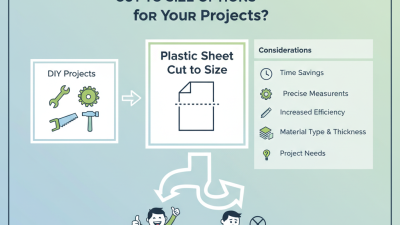
Plastic cut to size is becoming increasingly popular in various industries. This trend is partly due to its versatility. According to recent industry reports, the global plastic market is projected to reach over $650 billion by 2030. Custom plastic solutions cater to specific needs, making projects more efficient.
There are several benefits to using plastic cut to size. First, it allows for precise measurements and shapes that reduce waste. Studies show that custom-cut plastics can save up to 30% in material costs over standard sizes. Additionally, these tailored solutions often enhance durability and functionality in applications like signage, packaging, and construction. However, one must consider the environmental impact. Not all plastic is recyclable, and the production process can contribute to pollution.
When implementing plastic cut to size solutions, one must balance cost and sustainability. While the initial investment may be higher, it can lead to savings in the long term. Yet, industries should remain aware of their carbon footprint. Reports indicate that the plastics industry is a significant contributor to greenhouse gases. Using recycled materials could mitigate this issue, but availability varies drastically.