
Posts
Top Gel Packing Machine Manufacturers for Global Buyers
Choosing the right Gel Packing Machine manufacturer can shape production quality, operating costs, and customer trust. Global buyers need more than attractive brochures or impressive speed claims. They need dependable equipment that handles gel viscosity, filling accuracy, sealing strength, and continuous operation. A reliable machine should perform steadily beside stainless steel tanks, clean conveyors, and carefully calibrated weighing systems.
This guide introduces leading manufacturers serving international markets. It examines their engineering experience, machine configurations, automation options, and support capabilities. Important details include servo-driven filling, temperature control, pouch compatibility, cleaning access, and spare-parts availability. These features may appear small, yet they can determine whether a production line runs smoothly during a demanding shift. Factory audits, sample testing, technical documentation, and transparent warranty terms also deserve close attention.
No ranking is flawless. Buyer priorities differ.
A compact cosmetic producer may value flexibility, while a large food processor may require high-speed output and strict process control. Manufacturer reputation should therefore be checked against real operating conditions, not marketing language alone. Questions about installation, operator training, regional service, and electrical standards can prevent expensive surprises. Certifications and export experience offer useful confidence, but they do not replace practical testing.
The manufacturers discussed here are evaluated through a professional and buyer-focused lens. Their strengths, limitations, and typical applications receive equal attention. This approach helps purchasing teams compare suppliers more fairly and identify equipment suited to their products, facilities, and long-term expansion plans. Careful selection remains essential. Even an advanced machine can disappoint when specifications, materials, or support expectations are misunderstood.
What Gel Packing Machines Are and How They Work
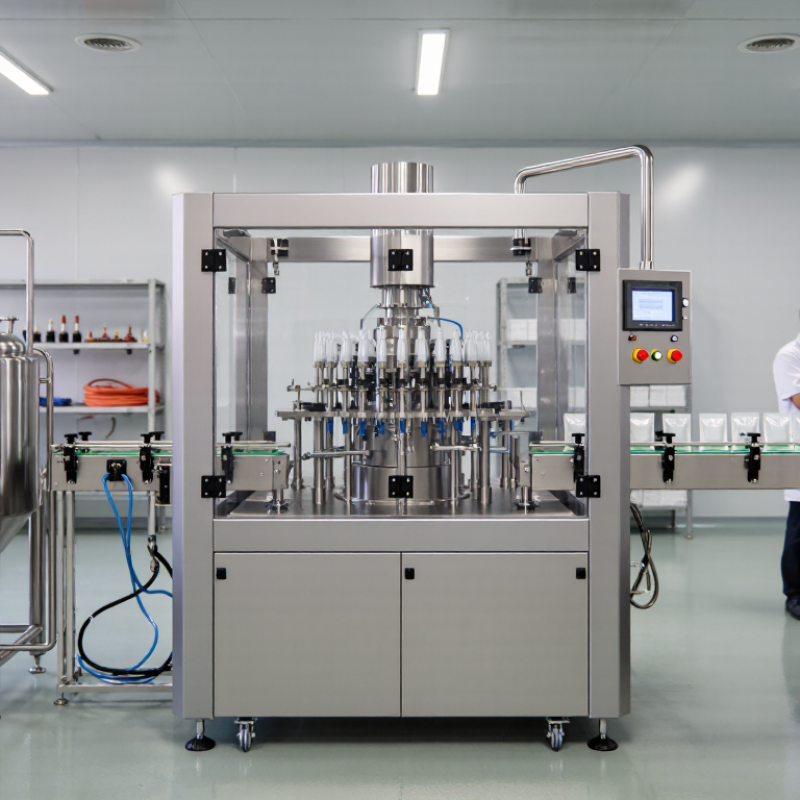
A gel packing machine fills containers with a measured amount of gel, then closes or prepares them for sealing. Depending on the product and package, the line may use tubes, jars, bottles, or sachets. The machine’s core parts usually include a hopper, metering pump, filling nozzle, conveyor, and controls. Gel moves from the hopper through the pump, which dispenses a set volume into each container. Nozzles can reduce dripping, while sensors help align containers beneath the filling point. Small details count.
The process sounds simple, but gel texture makes it more demanding. Thick formulas may flow slowly, trap air, or leave strings around a nozzle. Operators often adjust pump speed, filling pressure, and nozzle height to reduce mess and improve fill consistency. A heated hopper may help with some temperature-sensitive products, but heat is not suitable for every formula. The right settings depend on viscosity, container shape, and production speed. In practice, trial runs reveal issues that a machine specification alone may miss.
Tips: Test the actual gel in the intended container before full production. Check fill weights, drips, and seals across several cycles. Keep a record of settings; small changes can affect results.
Key Features to Compare Among Global Manufacturers
When comparing gel packing machine manufacturers, start with the product and package requirements. Ask what gel viscosity range the machine can handle, and whether settings can be adjusted for seasonal changes. A thick gel should flow evenly without leaving excess product around the nozzle. Check the filling range, stated accuracy, and how each figure was tested.
Test samples matter.
Packaging format is another practical measure. Confirm that the machine supports your container dimensions, closure type, and target production rate. Ask for changeover steps and typical cleaning time, not just maximum output. For export projects, review available voltage options, documentation, spare-part lead times, and remote support hours. These details can prevent avoidable delays after installation.
Small gaps add up.
Compare construction and controls in person or through a detailed demonstration. Look for accessible product-contact parts, clear alarms, and guarded moving components. Request material specifications and maintenance intervals in writing. If possible, run your own gel through a trial machine, then inspect fill consistency, drips, and cleaning effort. A polished demo is useful, but it may not reflect daily production. I would also leave room for uncertainty: actual performance can change with gel temperature, operator training, and container variation. Ask manufacturers to state those limits clearly.
Leading Gel Packing Machine Manufacturers by Market Region
Gel packing machine manufacturers differ by region in engineering priorities and service models. In East and Southeast Asia, many suppliers focus on flexible configurations, compact footprints, and competitive production costs. Buyers can compare pouch formats, filling accuracy, and changeover time during a live product trial. Ask how the machine handles a gel’s actual viscosity, not just a water-like sample. Small details matter.
European manufacturers often emphasize process control, hygienic design, and documented machine performance. Their equipment may suit plants that need repeatable dosing across long production runs. Review cleaning access around nozzles and product-contact surfaces; a polished exterior tells little about sanitation in tight spaces. Regional service coverage still varies, so confirm spare-part lead times before ordering.
In North America, manufacturers and integrators commonly tailor equipment to existing production lines and local maintenance practices. This can simplify installation, though customization may extend delivery schedules. Request a written test protocol covering fill-weight variation, sealing quality, and sustained operating speed. A short demonstration is useful, but it cannot reveal every production issue. I would also check whether operators can clear a minor jam without special tools. Regional strengths are useful guides, not guarantees; factory references and trials with the buyer’s gel provide stronger evidence.
Top Gel Packing Machine Manufacturers for Global Buyers
Regional population share provides context for the potential scale of packaging demand. It is not a measure of gel-packing-machine sales or manufacturer market share.
Source: World Bank, World Development Indicators, 2023 population estimates. Regional shares are rounded and may not total exactly 100%.
How to Evaluate Quality, Compliance, and Production Capacity
A gel packing machine must handle viscosity, filling accuracy, and clean changeovers—not just impressive line speed. Grand View Research estimated the global packaging machinery market at USD 45.8 billion in 2023, reflecting demand across many packaging sectors. That broad figure is useful context, but it does not prove a supplier can fill your specific gel. Ask for a factory acceptance test using your product or a viscosity-matched sample. Check fill-weight variation, seal integrity, and output over a sustained run. Watch the first and final packs. Small changes can reveal drift.
For quality and compliance, request material specifications for product-contact parts, calibration records, and documented cleaning procedures. Verify that certificates apply to the offered machine and destination market; a logo on a brochure is not enough. PMMI’s 2024 State of the Industry report discusses automation and workforce pressures in packaging operations, making service access and operator training practical buying criteria. Ask for rated speed and demonstrated speed with comparable containers, film, and gel. Also confirm changeover time, spare-parts lead times, and remote support hours. Get these figures in writing. Capacity claims can be optimistic, and buyers sometimes overlook downtime between shifts. I would still challenge any test that uses water instead of gel. It is easier, but not very revealing.
Selecting the Right Gel Packing Machine for Your Business Needs
Top Gel Packing Machine Manufacturers for Global Buyers
Selecting the Right Gel Packing Machine for Your Business Needs
Choosing a gel packing machine starts with the product, not the brochure. Check its viscosity, temperature range, and whether it contains particles. A thick gel may need a positive-displacement pump, while a thinner formula can often use a simpler filling system. Ask for a sample test using your actual product. Watch for dripping, trapped air, and uneven fill levels in the containers you plan to use.
Match the machine’s output to real demand. A line rated for high speed may be inefficient if operators spend time changing formats or cleaning product-contact parts. Review changeover steps, fill accuracy, available floor space, and the time needed to sanitize the equipment. Request clear documentation and practical training. One detail buyers sometimes miss: spare parts lead times can affect production more than the headline filling speed.
Tips: Bring several containers and a representative gel sample to a machine trial. Measure fill consistency across repeated runs, not just one successful cycle. Ask operators to perform a format change and routine cleaning; small handling problems may not show up in a sales demonstration.
| Machine Configuration | Common Gel Applications | Typical Package Format | Typical Production Range | Key Selection Considerations | Best Suited For |
|---|---|---|---|---|---|
| Automatic tube filling and sealing machine | Cosmetic gels, topical gels, toothpaste, and other pumpable products | Plastic or laminate tubes; some configurations support metal tubes | Approximately 20–120 tubes per minute, depending on the model, tube size, and product | Confirm tube material and diameter range, filling accuracy, sealing method, changeover time, and compatibility with the gel’s viscosity. | Businesses producing tube-packed consumer, personal-care, or pharmaceutical products |
| Premade pouch filling and sealing machine | Hand sanitizer gel, hair gel, cosmetic gel, and other free-flowing to moderately viscous products | Premade stand-up, flat, or spouted pouches | Approximately 10–60 pouches per minute, depending on pouch design, fill volume, and number of filling stations | Check pouch dimensions, zipper or spout requirements, seal width, dosing method, and whether the product can be filled without contaminating the seal area. | Producers needing flexible pouch styles or multiple pack sizes |
| Vertical form-fill-seal machine | Low- to medium-viscosity gels that can be dosed consistently | Formed pillow, gusseted, or sachet-style bags made from roll stock | Approximately 20–100 packs per minute; actual output varies with pack size, film, and dosing equipment | Evaluate film compatibility, forming-tube size, dosing accuracy, product drip control, and the machine’s ability to maintain clean, reliable seals. | High-volume production using roll-fed packaging film |
| Sachet or stick-pack filling machine | Single-use samples of cosmetic, oral-care, or topical gels | Small flat sachets or narrow stick packs | Approximately 30–200 packs per minute, often using multiple lanes; output depends strongly on lane count and pack dimensions | Compare lane count, target fill weight, sachet dimensions, seal integrity, and the gel’s ability to flow through small dosing nozzles. | Sample programs, travel-size products, and single-dose applications |
| Jar or bottle filling line | Thicker gels, gels with suspended ingredients, and products sold in rigid containers | Plastic or glass jars and bottles | Approximately 10–80 containers per minute, depending on container size, filling heads, and line layout | Specify container shape and volume, filling temperature if relevant, nozzle shutoff, drip prevention, and integration with capping and labeling equipment. | Retail products requiring rigid containers and adaptable fill volumes |
| Servo-driven piston or pump dosing system | Medium- to high-viscosity gels and products requiring repeatable volumetric dosing | Can be integrated with tube, pouch, jar, or bottle packaging equipment | Output depends on the packaging machine and number of dosing heads; no universal speed applies | Request a product trial using the actual gel. Assess dosing range, accuracy at the target volume, cleanability, and suitability for abrasive or particulate ingredients. | Manufacturers prioritizing controlled dosing across different gel viscosities |
| Compact semi-automatic filler | Small batches of cosmetic, personal-care, or specialty gels | Tubes, jars, bottles, or other compatible containers, depending on attachments | Operator-dependent; production is generally lower than on fully automatic lines | Check the included filling range, manual handling requirements, cleaning procedure, compressed-air needs, and options for later automation. | Start-ups, pilot production, and businesses with frequent small-batch changeovers |
| Buyer’s note: Production ranges are broad, indicative examples rather than guaranteed specifications. Actual throughput and filling performance depend on gel viscosity, temperature, fill volume, container or pouch dimensions, dosing method, operator conditions, and machine configuration. Request a product test and written specifications before purchase. | |||||
