Top Plastic Parts Innovations in Modern Manufacturing?
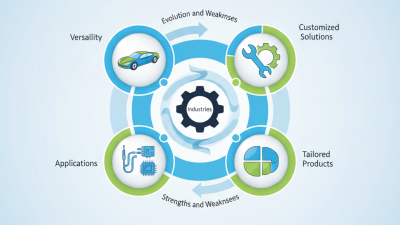
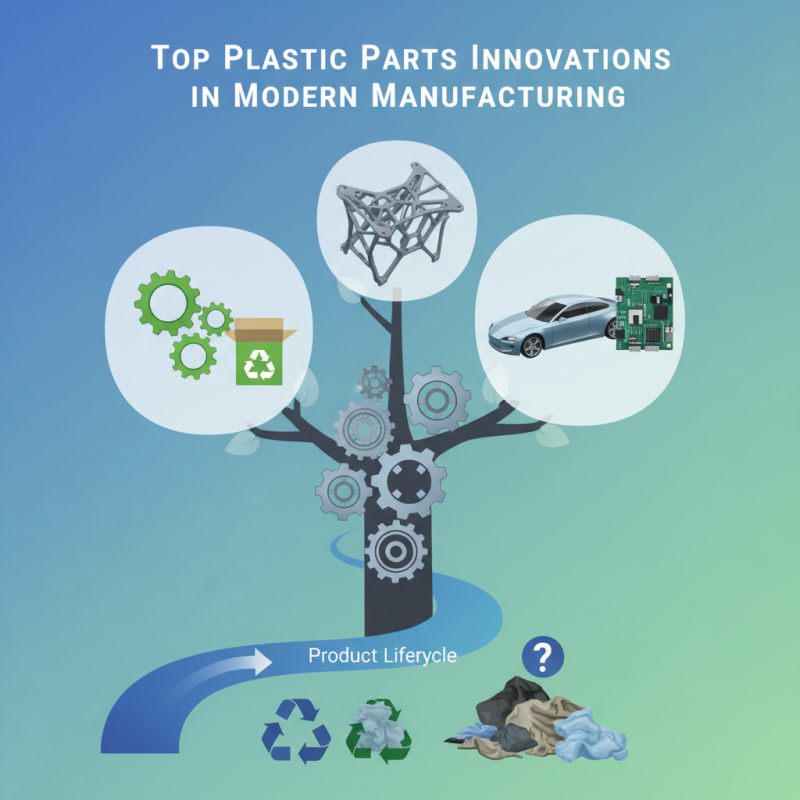
In the ever-evolving landscape of manufacturing, innovations in plastic parts have become pivotal. These lightweight components are not only cost-effective but also versatile. Industries such as automotive and electronics increasingly rely on advanced plastic parts to enhance performance and efficiency.
Recent innovations have pushed the boundaries of design and functionality. For example, 3D printing technology allows for intricate plastic parts that were once unimaginable. Furthermore, bioplastics pave the way for more sustainable manufacturing practices. This shift not only reduces waste but improves the product lifecycle.
However, challenges still exist. The reliance on plastic parts raises environmental concerns. Recycling rates remain low in many regions. As manufacturers turn to these innovations, they must address sustainability head-on. Failure to do so could have lasting repercussions for both industry and the planet. The future of plastic parts in manufacturing is bright, yet it demands thoughtful reflection and action.
Recent Advances in Plastic Materials for Manufacturing
Recent advances in plastic materials are transforming modern manufacturing. One notable trend is the rise of
bio-based plastics. Reports indicate that the global bio-based plastic market is projected to reach
$16 billion by 2025. These materials, derived from renewable resources, offer
sustainable alternatives to traditional petroleum-based plastics. They play a significant role
in reducing environmental impact.
Another key innovation is the development of
high-performance polymers. These materials withstand extreme temperatures and resist chemical damage.
According to a study by the American Chemistry Council, the global market for high-performance plastics is expected to grow at a
CAGR of 7.6% through 2027. This expansion reflects the increasing demand in industries like aerospace and automotive, where durability is critical.
Despite these advances, challenges remain. Bio-based plastics often face performance limitations compared to their petroleum counterparts. Additionally, the recycling infrastructure for high-performance plastics is still inadequate.
These issues prompt reflection on the balance between innovation and sustainability in the plastics industry.
Manufacturers must continue to explore solutions that marry cutting-edge technology with environmental responsibility.
Innovative Production Techniques in Plastic Parts Fabrication
Innovative production techniques in plastic parts fabrication are transforming modern manufacturing. Techniques like 3D printing and injection molding bring precision and speed. With 3D printing, engineers can create intricate designs rapidly. This method minimizes waste and allows for easy alterations. Yet, the technology can be costly for smaller projects. Careful consideration is essential before diving in.
Injection molding is another powerhouse for high-volume production. This method produces consistent quality parts. It is efficient for making complex shapes with minimal effort. However, the initial setup cost can be high, which might limit smaller businesses. It’s crucial to weigh the long-term benefits against short-term investment.
**Tip:** Always prototype your designs before full-scale production. Prototyping helps identify flaws early. Evaluate material choices carefully. The right material can elevate a product’s performance. Remember, sometimes the latest technology isn't the best fit. Reflect on your needs before every decision.
Top Plastic Parts Innovations in Modern Manufacturing
This bar chart illustrates the advancements in various innovative production techniques for plastic parts fabrication. The data reflects the percentage of manufacturers utilizing specific techniques over recent years.
Impact of 3D Printing on Plastic Component Design
3D printing has revolutionized
plastic component design. This technology allows for unprecedented flexibility. Designers can
create complex shapes that traditional methods
struggle with. Intricate geometries are now achievable, leading to lighter and more efficient products.
However, there are challenges in material selection and finishing processes.
Many designers face steep learning curves. Transitioning from conventional techniques to
3D printing can be daunting. Not all designs print
well. Sometimes, what looks good on a screen fails in reality. Prototyping
is essential, but it can be time-consuming. Iterating designs can lead to waste if not managed
properly.
Moreover, sustainability is a growing
concern. Many plastic materials used in 3D printing are not biodegradable. Designers need to
reflect on their choices. The goal should be not just innovation, but responsible innovation.
Balancing creativity with environmental impact is crucial. It’s a path filled with potential,
but also requires careful consideration.
Sustainability Trends in Plastic Manufacturing Processes
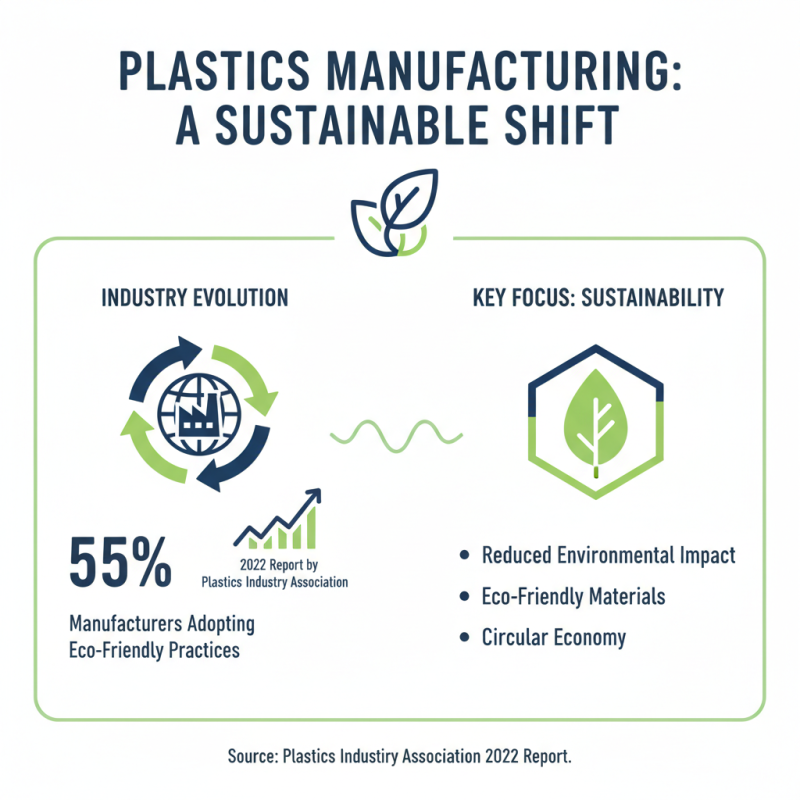
The plastic manufacturing industry is undergoing significant changes. Sustainability has become a key focus, reshaping how companies operate. According to a 2022 report by the Plastics Industry Association, 55% of manufacturers are adopting eco-friendly practices. This trend reflects a growing awareness of environmental impact.
Innovations in biodegradable plastics are on the rise. Companies are exploring materials that break down more easily in environments. However, many still face challenges. For example, not all biodegradable options are suitable for high-performance applications. As a result, research will need to continue. The balance between performance and sustainability requires ongoing dialogue within the industry.
Tips: Embrace new materials. Evaluate their environmental impact. Involve team members in research. Collaboration can lead to new insights. Regularly revisit processes to identify areas for improvement. Companies should also consider implementing circular economy principles. This approach could pave the way for reducing waste and fostering innovation.
Future Directions in Plastic Part Technologies and Applications
The landscape of plastic part technologies is evolving rapidly. Innovations are shaping industries such as automotive and healthcare. New materials and production techniques are enhancing performance and sustainability. Biodegradable plastics, for instance, are gaining traction. They provide an eco-friendly alternative to traditional plastic. However, their actual long-term impact remains uncertain.
Advanced manufacturing processes are on the rise. Techniques like 3D printing allow for rapid prototyping and customized designs. It enables manufacturers to create complex shapes that were once impossible. Yet, the initial costs can be high. Many companies struggle to justify the investment.
Recycling and reusing plastics is vital for a sustainable future. Innovative designs that facilitate recycling are crucial. Yet, not all manufacturers prioritize recyclability in their designs. This oversight can lead to increased waste. As the industry progresses, balancing innovation and environmental responsibility must be a focus.