Top 5 Tips for Choosing the Best Aeration System Air Blower?
Choosing the right Aeration System Air Blower can significantly impact your project’s success. Proper aeration is essential for maintaining water quality and promoting healthy aquatic life. With many options on the market, making an informed choice is crucial.
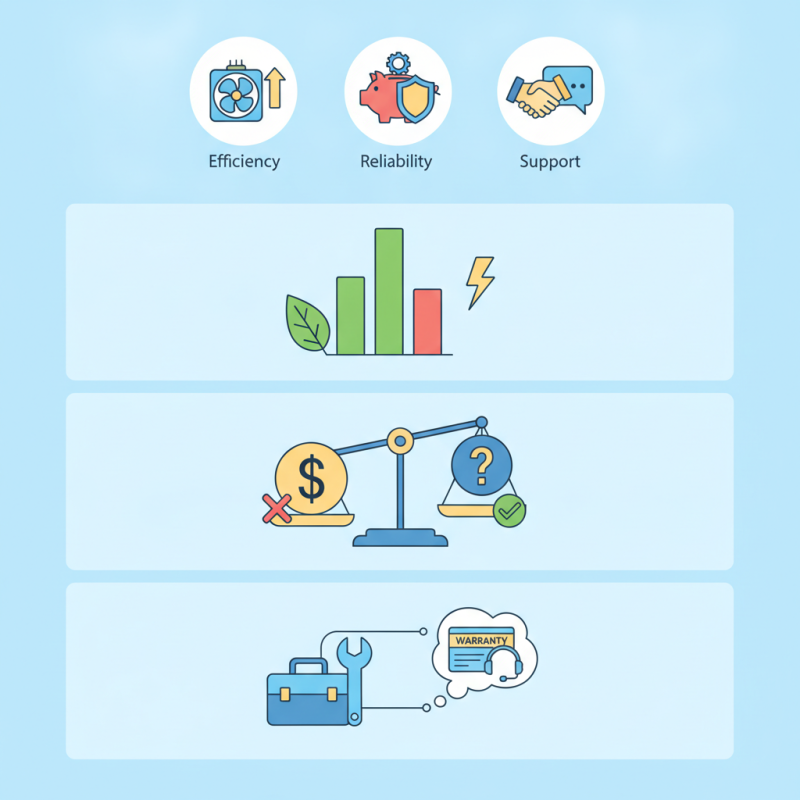
Consider efficiency and reliability as you evaluate different models. A high-quality blower can save energy and reduce operational costs. However, it’s important to remember that the most expensive option isn’t always the best fit for your needs. Some blowers may seem appealing but fail to deliver the promised performance.
Do not overlook maintenance and support services associated with your purchase. A reliable Aeration System Air Blower often comes with robust customer service. Your investment should include warranties and knowledgeable support to address any potential issues. It’s worth investing time in research to avoid costly mistakes later.
Understanding the Basics of Aeration Systems and Air Blowers
When selecting an aeration system, understanding the basics is vital. Aeration systems primarily enhance water quality. They introduce air into water, boosting oxygen levels. This process is essential for the health of fish and other aquatic life. A reliable air blower can distribute air efficiently across the system.
Choosing the right air blower involves considering power and flow rate. The blower should match the size of the aeration system. Underpowered blowers may fail to deliver adequate oxygen. Overpowered blowers can waste energy. Look for energy-efficient designs. These often save costs in the long run.
Many users overlook maintenance needs. Regular checks can prevent failures. Dirt and debris can clog air passages. Without proper airflow, the system deteriorates. This can lead to consequences for aquatic health. It’s crucial to balance performance and upkeep. Reflect on your needs. An informed decision often leads to a successful aeration system.
Top 5 Tips for Choosing the Best Aeration System Air Blower
This bar chart compares key attributes of aeration system air blowers, including air flow rate, noise level, energy efficiency, durability, and cost. Use this information to make an informed decision when selecting the best system for your needs.
Key Factors to Consider When Selecting an Air Blower for Aeration
Choosing the right aeration system air blower can be a daunting task. When selecting an air blower for aeration, consider several key factors that ensure efficiency and reliability. The size of the blower is crucial. A system too powerful can cause excessive turbulence, while an underpowered unit may not provide adequate air circulation.
Evaluate the noise level of the blower. A quieter blower might be necessary in residential areas or environments where noise is a concern. Energy efficiency should also be a priority. An energy-efficient system reduces operating costs and minimizes your environmental impact.
Don’t overlook maintenance requirements. Some blowers require more frequent servicing than others. This can affect long-term reliability and the overall cost of ownership. It’s wise to research various models, understanding the pros and cons of each. Consider how each unit fits into your specific aeration needs.
Making an informed choice can lead to improved outcomes in your aeration projects.
Comparing Various Types of Aeration System Air Blowers
When selecting an aeration system air blower, understanding the various types is essential. Aeration systems play a critical role in wastewater treatment and pond management. According to the Environmental Protection Agency, aeration can improve oxygen transfer efficiency by up to 30%. This efficiency can significantly influence system performance and operational costs.
Common types: Linear blowers, rotary lobe blowers, and regenerative blowers are common types. Linear blowers are quieter and more energy-efficient. Rotary lobe blowers, however, provide higher pressure capabilities. Regenerative blowers are compact, making them ideal for limited spaces. Each type has its advantages and considerations that require careful evaluation based on specific needs.
Tip: Evaluate the environmental conditions of your application. Temperature and humidity can impact performance. Additionally, consider the energy consumption of the blower. A blower with lower energy consumption can lower operational costs. Finding the right balance between efficiency and cost is key. Investing time in comparing these types will lead to more effective aeration management. Reflect on your specific application requirements to make informed decisions.
Assessing the Energy Efficiency and Performance of Air Blowers
When selecting an air blower for aeration systems, energy efficiency is crucial. High energy consumption can lead to excessive operational costs. Look for systems with high CFM ratings paired with lower horsepower requirements. These metrics are essential in assessing overall performance and sustainability.
Consider the blower's noise levels as well. While efficiency and power are important, a loud blower can impact work environments. In addition, check for real user reviews that discuss energy consumption over time. Often, advertised specs differ from actual performance.
Maintenance also plays a role in long-term efficiency. A blower that is difficult to maintain may lead to increased energy usage as it ages. Consistency in performance can wane without proper care and reflection. Thus, take time to think about user experience and product longevity. Balancing efficiency, noise, and maintenance can help you choose wisely.
Evaluating Maintenance Requirements and Longevity of Aeration Systems
When selecting the best aeration system air blower, evaluating maintenance requirements is crucial. A well-maintained system can enhance longevity and efficiency. According to industry reports, regular maintenance can increase the lifespan of blowers by up to 30%. This highlights the importance of a proactive maintenance schedule.
Understanding the components that require attention is vital. Most systems need periodic inspections of the filters and impellers. Regular cleaning can prevent dust buildup and ensure optimal airflow. A simple checklist for maintenance can help operators remain on track.
Consider the operational demands of your facility. Choose a blower that matches the required flow rates and pressure conditions. Under or over-sizing can lead to premature wear. This misfit often results from inadequate assessments during selection. Maintain transparency with vendors about your operational needs for better system longevity.