Ultimate Tips for Sourcing Acrylic Plastic Products?
In the ever-evolving landscape of manufacturing, sourcing acrylic plastic products has become a critical focus for many businesses. Acrylic plastic, known for its versatility and clarity, plays a pivotal role in various industries, including automotive, consumer goods, and home décor. According to a report by Smithers Pira, the global acrylic market is expected to reach $19 billion by 2025, showcasing the material's growing significance.
Expert in polymer sciences, Dr. Emily Chen, emphasizes the importance of careful sourcing. She stated, “Quality materials lead to superior products.” This insight underscores the challenges faced by manufacturers when selecting suppliers. Companies must navigate a complex web of relationships and standards. Ensuring consistency in quality is paramount.
Despite the advantages, sourcing acrylic plastic can be fraught with pitfalls. Variability in production processes and material origins can affect product performance. Therefore, a strategic approach is essential for businesses striving to maintain a competitive edge. Companies must invest time in understanding market dynamics and supplier capabilities to achieve success.

Understanding Acrylic Plastic and Its Applications
Acrylic plastic, also known as polymethyl methacrylate (PMMA), is a versatile material used in various industries. Its clarity and UV resistance make it an ideal choice for applications like displays, lighting, and automotive components. Data from the global acrylics market shows an anticipated growth rate of approximately 5.8% annually from 2021 to 2028. This reflects its increasing acceptance in innovative designs and technologies.
The versatility of acrylic is a double-edged sword. While it excels in many uses, its scratch resistance is often questioned. Users find that despite its benefits, acrylic can be susceptible to surface damage. This limits its appeal in high-traffic areas, where durability is a priority. Furthermore, the production of acrylic involves a significant energy input, raising concerns about sustainability in manufacturing processes.
Acrylic is available in various forms, including sheets and rods, allowing for custom applications. Its lightweight nature simplifies installation compared to glass. However, this same quality results in misconceptions about strength. While acrylic is strong in many situations, under extreme stress, it can fracture. Understanding these nuances is crucial when sourcing acrylic products for specific applications.
Understanding Acrylic Plastic Applications
Identifying Quality Suppliers for Acrylic Products
When sourcing acrylic plastic products, identifying quality suppliers is crucial. A study by Smithers Pira highlights that the global acrylic sheet market is expected to reach USD 3.5 billion by 2025. This growing demand emphasizes the need for reliable suppliers.
Finding a trustworthy supplier can be challenging. Many suppliers may offer lower prices but compromise on quality. Researching suppliers’ credentials is essential. Ask for certifications and testimonials from previous clients. Quality must not be sacrificed for cost savings.
Consider visiting suppliers’ facilities if possible. Observing their production processes provides insight into their quality control measures. A report from Statista indicates that about 40% of businesses face issues with subpar suppliers. This statistic shows that diligence in supplier selection pays off. Quality acrylic products can enhance your brand's reputation significantly, making supplier evaluation an essential step.
Evaluating Different Types of Acrylic Materials
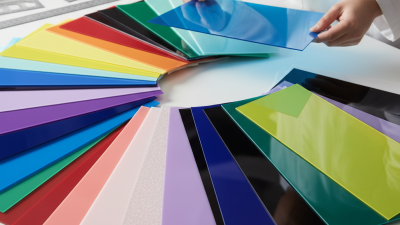
When evaluating different types of acrylic materials, it’s crucial to understand the implications of varying properties. Acrylics are categorized mainly into cast and extruded types. Cast acrylic is known for its superior clarity and chemical resistance, making it ideal for high-end displays. In contrast, extruded acrylic is often more cost-effective but less durable. According to a recent industry report, the global acrylic sheet market is projected to grow by 5.3% annually, emphasizing the rising demand for quality acrylic products.
Choosing the right acrylic material can impact your project’s success. Different formulations offer unique benefits. For instance, impact-resistant options are available for applications needing extra durability. Additionally, UV-resistant acrylic can prolong the life of outdoor products. It’s essential to assess the specific requirements of your project based on factors like usage environment and aesthetic preferences.
Tips for sourcing acrylic plastic products include seeking suppliers who provide material certifications. Look for reliable information on their manufacturing processes and quality control measures. Request samples to evaluate clarity and finish before making bulk purchases. Always compare multiple suppliers to gauge price and quality, as this sector can show significant variance. By understanding the nuances in acrylic materials, you can make more informed decisions that align with your project goals.
Ultimate Tips for Sourcing Acrylic Plastic Products - Evaluating Different Types of Acrylic Materials
| Type of Acrylic |
Properties |
Applications |
Cost Range (per kg) |
| Cast Acrylic |
High clarity, good UV resistance, easy to shape |
Display cases, signage, aquariums |
$3 - $6 |
| Extruded Acrylic |
Lower clarity than cast, cost-effective, easier to handle |
Lighting fixtures, windows, car interiors |
$2 - $4 |
| Impact Modified Acrylic |
Enhanced impact resistance, slightly lower clarity |
Safety glazing, protective barriers |
$4 - $7 |
| Colored Acrylic |
Available in a wide range of colors, UV resistant |
Art projects, decorative signage |
$3 - $5 |
| Acrylic Tubing |
High clarity, lightweight, strong |
Hydraulics, architectural lighting |
$4 - $8 |
Sourcing Strategies for Cost-Effective Purchases
When sourcing acrylic plastic products, cost-effective strategies are crucial. One effective approach is to analyze suppliers thoroughly. Look for manufacturers with a strong track record in quality and service. Customer reviews and case studies offer insights into their reliability. Some suppliers may promise low prices but cut corners on quality. It’s essential to balance cost with the integrity of the products.
Negotiation plays a vital role as well. Establish clear expectations upfront. Be open to discussing bulk orders to secure better pricing. Often, suppliers are willing to reduce rates for larger quantities. It's also beneficial to diversify your supplier base. This reduces dependency on a single source and enhances competitive pricing. However, more suppliers can mean more complexity. Evaluate each supplier’s terms before committing.
Don’t overlook the importance of local versus overseas sourcing. Local suppliers may charge more, but their lead times are often shorter. They may offer better support for quality control. On the other hand, overseas suppliers might provide significant savings but introduce risks. Shipping delays and tariffs can erode those savings. Reflecting on these factors will aid in making informed decisions.
Navigating Legal and Environmental Considerations in Sourcing
When sourcing acrylic plastic products, legal and environmental considerations are crucial. Many countries have specific regulations governing plastic use. Familiarizing yourself with these laws can help prevent costly mistakes. Compliance is not optional; it is essential for business integrity.
Environmental concerns are increasingly important. Acrylic production can impact ecosystems and contribute to pollution. Opting for suppliers with sustainable practices is crucial. Evaluate their recycling programs and resource management. This means seeking partners who prioritize eco-friendly materials and processes.
Navigating these complexities requires diligence. Not all suppliers are transparent about their practices. It’s necessary to ask tough questions. Are they compliant with local laws? How do they minimize their environmental footprint? These inquiries can lead to deeper insights and better sourcing decisions. Emphasizing sustainability may sometimes come with a higher cost, but ethical sourcing builds long-term value.