Posts

What Are China Top Injection Molding Manufacturers?

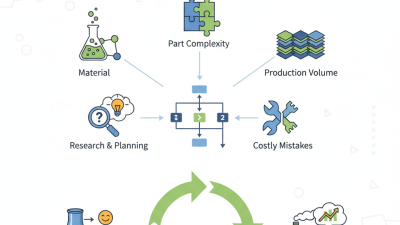
China has become a major manufacturing base for injection molding, serving automotive, electronics, medical, packaging, and consumer product companies. Its strongest suppliers combine modern equipment, experienced engineers, and disciplined quality systems. However, “top” does not always mean the largest factory. The right partner depends on product complexity, production volume, material requirements, and export expectations.

This guide examines leading Chinese injection molding manufacturers through practical and verifiable criteria. These include mold design capability, machine range, dimensional control, material knowledge, production capacity, and after-sales support. A reliable manufacturer should explain its tooling process clearly, provide inspection records, and show how it manages changes. ISO 9001 certification can support confidence, but certification alone cannot prove consistent performance. Factory audits, sample testing, and customer references remain valuable.

Look closely at the details. Can the supplier maintain a thin wall without visible sink marks? Does it control mold temperature and cycle time? Are resin batches traceable? These questions often reveal more than polished websites. No supplier fits every application. Smaller manufacturers may offer closer communication, while larger factories may provide broader equipment and stronger supply-chain resources. Comparisons can still be imperfect because pricing, capacity, and certifications change over time. That limitation matters. Readers should confirm current facilities, compliance documents, lead times, and production samples before signing an agreement. The following overview presents manufacturers and evaluation points with a practical, evidence-based perspective, helping buyers make a more informed decision without treating any ranking as permanent.
What Are China Top Injection Molding Manufacturers?

What Defines a Top Injection Molding Manufacturer in China?

A top injection molding manufacturer in China is defined by repeatable performance, not a polished showroom. During supplier evaluations, I look for documented process controls, trained technicians, and evidence from recent production runs. A capable factory can explain resin drying, mold temperature, injection pressure, and cooling time in practical terms. It should also show how these settings are recorded and corrected when defects appear. Small details matter. A clean, labeled material area often reveals more than a large reception hall.

Engineering depth separates dependable manufacturers from low-cost molders. The team should review part thickness, draft angles, gate locations, shrinkage, and production volume before quoting. It should use dimensional reports, trial-shot records, and inspection tools suited to the component. Quality cannot depend on one final check. It needs controls during mold making, first-article approval, production, and packing. Traceable batch records make investigations faster when a surface mark or short shot appears.

Reliability also includes honest communication. A top supplier reports tooling risks early instead of hiding them behind optimistic dates. It explains capacity, maintenance plans, subcontracting boundaries, and corrective actions. Audits, certifications, and references can support trust, but they are not proof alone. No factory is perfect. I would still question impressive samples if everyday production lacks the same discipline. Delivery history, stable staffing, and measurable improvement usually tell the fuller story.

Key Types of Injection Molding Manufacturers and Their Specialties

What Are China Top Injection Molding Manufacturers?

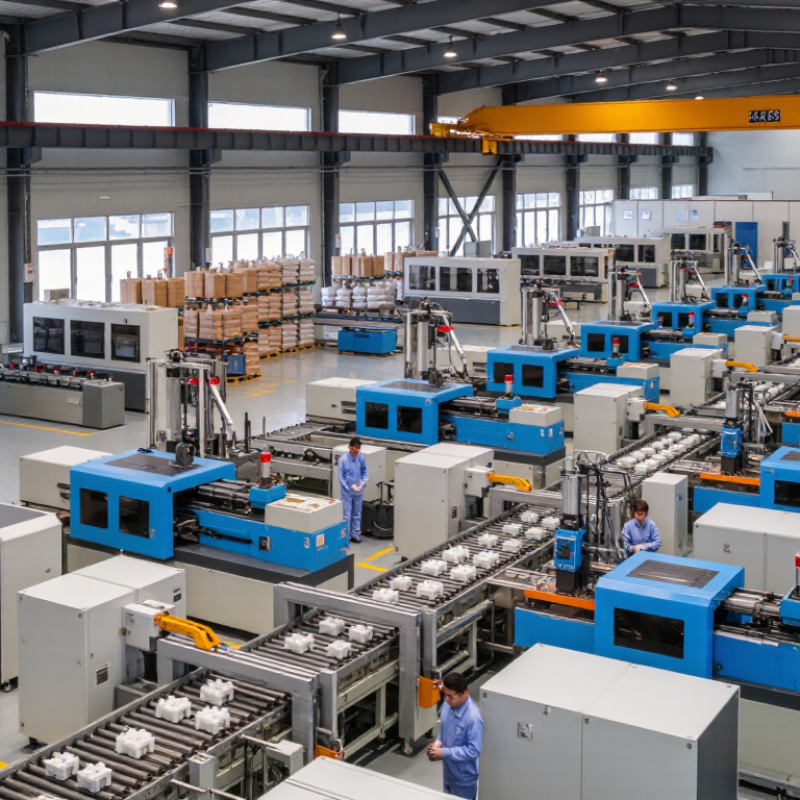
China’s injection molding sector includes several manufacturer types, each serving a different production need. Custom molders build parts from customer drawings, often supporting automotive, medical, electronics, and consumer products. They usually manage tooling, material selection, molding, inspection, and secondary assembly. High-volume specialists focus on short cycle times, automated part removal, and stable output. Precision manufacturers serve parts with tight tolerances, such as connectors, optical components, and small mechanical housings. Their workshops often use climate control, coordinate measuring machines, and documented process validation.

Other suppliers specialize in insert molding, overmolding, two-shot molding, or rapid prototyping. These capabilities can reduce assembly steps, but they also increase mold complexity and trial costs.

Grand View Research estimates the global injection molding market at roughly USD 180 billion in 2023, with continued growth driven by packaging, healthcare, and electronics. That scale creates opportunity, but not every factory has equal process discipline. A polished website proves little. Production evidence matters more.

Tips: Ask for recent sample data, not only product photos. Review cavity balance, defect rates, resin certificates, and inspection records. Confirm whether testing is performed in-house. The Plastics Industry Association notes that material choice and process control strongly affect part consistency. In practice, even experienced teams can overlook warpage after a design change. Request a pilot run. Check the parts yourself. A small trial may reveal cooling problems, weak documentation, or unrealistic cycle-time claims before full production.

Leading Chinese Manufacturers by Industry and Production Capability

What Are China Top Injection Molding Manufacturers?

Leading Chinese Manufacturers by Industry and Production Capability

China’s leading injection molding manufacturers are best compared by industry focus and production capability. Automotive suppliers often operate large machines for dashboards, trim panels, and structural components. They usually manage engineering plastics, tight tolerances, and repeat production across multiple facilities.

Medical molding specialists require cleaner workshops, validated processes, and detailed material traceability. Their teams may produce diagnostic housings, surgical components, and laboratory consumables. Electronics manufacturers commonly support thin-wall parts, heat-resistant materials, and complex molds with fine surface textures. Consumer product manufacturers handle faster design changes and broader color requirements. Packaging producers focus on high-cavity molds, short cycles, and consistent wall thickness.

Production capability matters beyond machine size. A reliable factory should show mold-flow analysis, preventive maintenance records, inspection plans, and clear sampling procedures. Ask about clamping force, annual capacity, secondary assembly, and quality response times. An experienced audit should include a factory visit, process review, and sample measurement using calibrated equipment.

No supplier is perfect.

Some manufacturers advertise impressive capacity but provide limited evidence. That deserves attention. A smaller specialist may deliver better engineering support than a larger general factory. Production speed can also hide problems, such as unstable materials or rushed mold repairs. Buyers should compare documented results, not polished presentations. Clear communication, traceable changes, and realistic lead times often reveal the strongest long-term partners.

How to Evaluate Quality, Technology, Pricing, and Certifications

Choosing a top injection molding manufacturer requires more than a polished website. In my supplier reviews, I examine sample parts under bright, angled light. This reveals sink marks, weld lines, flash, and uneven texture. Ask for dimensional inspection reports, material traceability, and recent process records. A reliable factory should explain its mold maintenance schedule clearly. Request a live production video or an on-site audit when possible. Small details matter.

Technology should match the part, not simply impress the buyer. Check machine clamping force, injection control, cavity balance, and automated inspection methods. For tight tolerances, ask how temperature, pressure, and cooling time are monitored. Review mold-flow analysis before cutting steel, especially for thin walls or complex ribs. I would also test a pilot run and compare ten parts statistically. One perfect sample proves little. Digital systems help, but operators still make judgment calls.

Pricing needs a line-by-line comparison. Include tooling, resin, labor, packaging, inspection, shipping, and future mold repairs. The lowest quote may hide weak steel, limited testing, or unstable cycle times. Certifications can support trust, but verify certificate numbers, scope, issuing body, and expiry dates. Quality management certification is useful; material and environmental records may matter more for certain applications. Ask what happens after a defect appears. A strong answer includes containment, root-cause analysis, and corrective action. Even experienced teams can miss recurring defects during early production.

What to Consider Before Choosing a Chinese Molding Partner

Choosing among China’s top injection molding manufacturers requires more than comparing unit prices. Grand View Research estimates the global injection molded plastics market reached about USD 262.2 billion in 2023, with continued growth through 2030. That scale attracts capable factories, but also inconsistent suppliers. Request recent audit records, machine lists, sample parts, and documented quality procedures. A polished website proves little.

Confirm whether the supplier performs mold design, flow analysis, machining, trial runs, and secondary assembly internally. Ask for measurable limits, such as cavity balance, parting-line flash, and dimensional tolerance. Material traceability matters. Request resin certificates, lot records, and process settings for production batches. ISO 9001 certification is useful, but it does not replace an on-site audit or independent inspection. The ISO Survey 2023 recorded more than one million ISO 9001 certificates worldwide, so certification alone cannot identify the strongest partner.

Your technical file should define resin grade, shrinkage assumptions, surface finish, inspection tools, packaging, and change-control approval. Discuss mold ownership and maintenance before payment. Clarify production capacity with evidence from similar-sized programs, not optimistic promises. A supplier may quote quickly, then struggle with stable cycle times. That is easy to miss. Request a pilot run and compare first-article results against the approved drawing. Review REACH, RoHS, food-contact, or sector-specific requirements where applicable. Expect some uncertainty, and document it rather than hiding it.