Posts
What Are Colored Acrylic Sheets Used For?
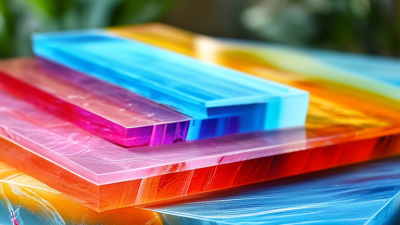
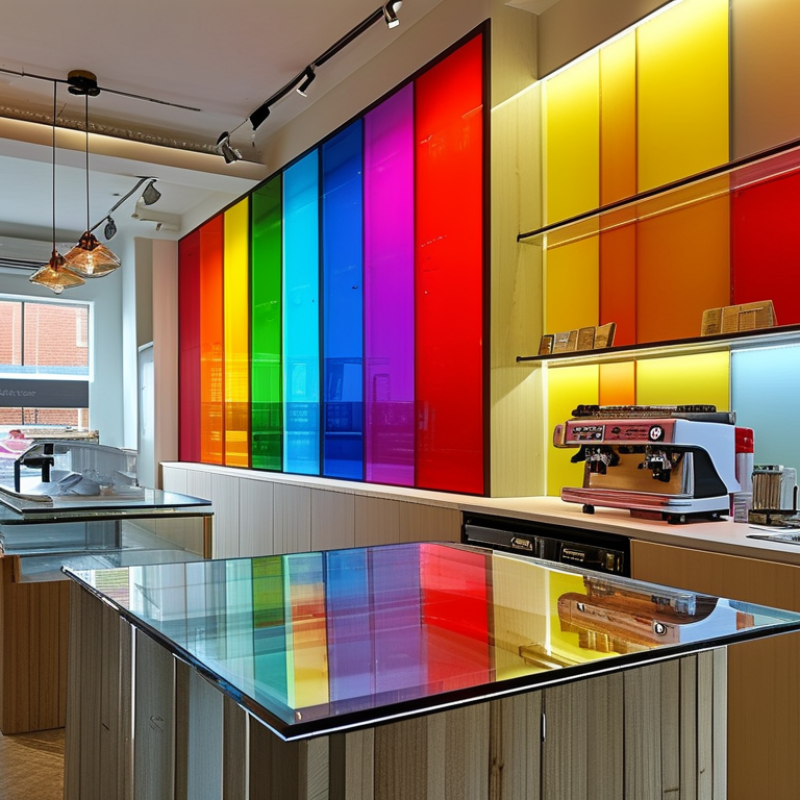
Colored acrylic sheets bring vivid color, clean edges, and practical strength to many design and manufacturing projects. Unlike painted surfaces, their color often runs through the sheet, helping maintain a consistent appearance after cutting or shaping. They are commonly used for retail displays, illuminated signs, interior panels, furniture details, room dividers, and protective covers. A red panel can energize a café counter, while translucent blue acrylic can soften light in a reception area. Color matters.
Their value goes beyond appearance. Acrylic is lightweight, weather-resistant, and easier to fabricate than many glass alternatives. Experienced fabricators select the sheet according to thickness, finish, transparency, ultraviolet exposure, and installation conditions. A glossy surface may suit a product display, but fingerprints can become noticeable in busy spaces. Frosted or matte finishes often hide minor marks better. No material is perfect.
Reliable suppliers should provide technical data, color samples, and guidance for cutting, drilling, bonding, and cleaning. Small sample tests remain important because lighting can change how a color appears. A shade that looks balanced under showroom LEDs may seem darker near a window. This article explores what colored acrylic sheets are used for, how professionals choose them, and where practical limitations deserve attention. Good design depends on more than color alone.
Types and Key Properties of Colored Acrylic Sheets
What Are Colored Acrylic Sheets Used For?
Colored acrylic sheets combine visual control with practical performance. Manufacturers offer transparent, translucent, and opaque grades. Transparent sheets pass colored light through signs, displays, and decorative panels. Translucent sheets soften light without revealing sharp details. Opaque sheets block visibility and create strong, even surfaces. They suit interiors, retail fixtures, furniture doors, and protective screens.
Cast acrylic usually offers clearer optics and more consistent thickness. Extruded acrylic often supports efficient production and tighter cost control. Both types can be cut, drilled, polished, and thermoformed with suitable tools. Their low weight simplifies handling compared with glass. Good outdoor grades resist sunlight better than ordinary plastics. Still, prolonged exposure can slowly change color, especially in intense climates. That detail is easy to overlook.
Surface hardness helps, but acrylic can still scratch during transport. Use protective film until installation. Thermal expansion also matters in large panels. Leave room around fasteners and avoid forcing the sheet into place. In workshop use, I have found small color samples slightly misleading. Large surfaces may look darker under warm lighting. Chemical cleaners can cause stress cracking, so mild soap and water remain safer. Acrylic handles everyday impacts, but it is not unbreakable. A trial cut often reveals problems before the full panel is installed.
Common Applications in Retail, Architecture, and Interior Design
In retail, designers use them for display risers, product stands, signage, and checkout screens. Opaque panels can form bright shelves that make products stand out. Translucent sheets spread light across illuminated logos and window features. They work well for seasonal displays because panels can be cut, drilled, and replaced efficiently. Acrylic is lighter than glass, which can simplify installation and reduce structural demands. However, scratches and heat exposure remain practical concerns. That trade-off matters.
In architecture, colored acrylic can create decorative wall panels, privacy screens, stair details, and daylight filters. Translucent colors soften harsh sunlight without making a room feel closed. In interior design, the material appears in cabinet doors, room dividers, furniture accents, and ceiling elements. A carefully chosen thickness improves rigidity and edge quality. Color samples should be reviewed under the actual lighting. A shade that looks calm in a showroom may appear overly strong beside warm lamps. This is an easy mistake to underestimate.
Tips: Confirm the sheet’s light transmission before ordering. Use soft cloths and non-abrasive cleaners to protect the surface. Allow movement around fasteners, especially on large panels. For public interiors, verify required safety and performance standards with a qualified professional. Fresh design ideas sometimes need more technical checking.
Uses in Signage, Displays, Lighting, and Creative Projects
Colored acrylic sheets turn ordinary surfaces into visible communication tools. In signage, they create crisp letters, raised logos, directional panels, and illuminated storefront faces. Red, blue, amber, and frosted tones help separate information quickly. The 2024 Digital Signage Market analysis by Grand View Research projects continued growth in digital signage through 2030, but physical sign elements still provide structure and recognition. Acrylic remains useful because it is lightweight, weather-resistant, and easier to fabricate than glass. Yet outdoor color can fade without suitable UV protection.
Displays benefit from acrylic’s clean edges and controlled transparency. Retailers use colored panels for product risers, brochure holders, museum cases, and temporary event graphics. A transparent sheet can preserve visibility, while a translucent sheet softens harsh backgrounds. The global retail display market is expected to expand steadily through 2030, according to Fortune Business Insights’ industry research. Good fabrication matters. Laser cutting, polished edges, and accurate drilling reduce distracting marks. Small errors remain visible.
Lighting applications are especially practical. Frosted or opal acrylic spreads LED light across backlit signs, ceiling features, wall panels, and decorative fixtures. The U.S. Department of Energy reports that LED systems can deliver substantially higher efficacy than traditional lighting technologies, making efficient diffusion increasingly important. Creative users also shape acrylic into photo props, layered artwork, jewelry organizers, and color-blocked furniture details. Heat can warp thin sheets. Color matching may disappoint under different lamps. Testing a small sample first is wiser than trusting a screen image.
Benefits and Limitations Compared with Other Sheet Materials
What Are Colored Acrylic Sheets Used For?
Colored acrylic sheets are used for retail displays, sign panels, lighting covers, furniture details, and interior partitions. Their solid color creates a clean visual effect without painting. Translucent grades can soften LED light through a warm, even glow. Clear cutting edges also work well for layered letters and decorative panels.
Compared with glass, acrylic is lighter and easier to drill, route, and transport. It also resists shattering better during ordinary handling. However, glass usually offers stronger scratch resistance and better heat stability. Acrylic can mark quickly when cleaned with abrasive cloths. It may also expand noticeably near sunny windows, so installers need movement space around fasteners.
Polycarbonate is often the stronger choice for impact-heavy areas. Colored acrylic generally provides a clearer surface and a more polished appearance. Compared with PVC sheets, it can offer better light transmission and a more refined finish. PVC may remain more practical for flexible, low-cost fabrication. Aluminum sheets tolerate heat better, but they cannot provide the same glowing depth.
In workshop use, the best results come from checking the sheet’s thickness, color density, and operating temperature. A dark panel may look elegant indoors but absorb too much heat outdoors. That detail is easy to miss. Acrylic also needs careful edge support, especially in large signs. It is useful, but not universal.
What Are Colored Acrylic Sheets Used For? – Benefits and Limitations Compared with Other Sheet Materials
| Material | Common Uses | Typical Light Transmission | Key Benefits | Main Limitations | Best Fit |
|---|---|---|---|---|---|
| Colored Acrylic Sheet (PMMA) |
Retail displays, sign panels, interior partitions, light boxes, decorative wall panels, furniture accents, and exhibition structures. | Transparent grades may transmit approximately 85–92%; translucent and opaque grades provide controlled or minimal transmission. | Rich color options, good optical clarity, smooth surface, low weight, easy routing and laser cutting, and good resistance to weathering and ultraviolet exposure. | More brittle than polycarbonate, can scratch, and may crack around poorly drilled holes or sharply stressed edges. Standard grades are not ideal for high-impact safety glazing. | Projects requiring color, visual appeal, light diffusion, and moderate rigidity rather than maximum impact resistance. |
| Clear or Colored Polycarbonate Sheet (PC) |
Machine guards, protective screens, security glazing, sports barriers, industrial enclosures, and impact-resistant partitions. | Clear grades commonly transmit about 86–90%; tinted, translucent, and opaque grades reduce transmission. | Very high impact resistance, good toughness, lower risk of shattering, and easy cold forming in suitable thicknesses. | Usually more expensive than acrylic, can scratch more easily without a hard coating, and may yellow or degrade outdoors if not UV-protected. | Applications where safety and impact resistance are more important than premium optical appearance or scratch resistance. |
| Glass | Windows, showcases, interior glazing, splashbacks, high-end displays, and surfaces requiring strong scratch resistance. | Clear glass often transmits approximately 80–90%, depending on thickness, coating, and composition; colored or coated glass transmits less. | Excellent surface hardness, high temperature resistance, strong chemical resistance, and premium optical appearance. | Heavy, rigid, difficult to machine on site, and vulnerable to breakage unless tempered or laminated. It also requires stronger supporting structures. | Permanent installations where scratch resistance, heat resistance, and a glass-like appearance justify the additional weight. |
| PVC Foam Sheet | Indoor signs, point-of-sale boards, temporary displays, model making, and lightweight wall graphics. | Generally opaque; light transmission is normally negligible except in specially formulated grades. | Very light, economical, easy to print, cut, drill, and bond, with a smooth surface suitable for graphics. | Lower rigidity and impact performance than solid acrylic, limited heat resistance, and less suitable for premium transparent or illuminated effects. | Budget-conscious, opaque signage and temporary or semi-permanent indoor displays. |
| Aluminum Composite Panel | Exterior building signs, façade cladding, column covers, shopfront panels, and architectural branding surfaces. | Opaque; it does not provide transparent or naturally diffused light transmission. | Good flatness, high panel stiffness relative to weight, outdoor suitability, and compatibility with printed or coated finishes. | Cannot provide acrylic-like depth or transparency, edges may require finishing, and the core and coating must be selected carefully for fire and outdoor requirements. | Large, flat, opaque exterior panels where dimensional stability and weather exposure are priorities. |
How to Select, Fabricate, and Maintain Colored Acrylic Sheets
What Are Colored Acrylic Sheets Used For?
Colored acrylic sheets support retail displays, interior signs, light diffusers, furniture panels, and protective screens. They offer lower weight than glass and can be cut into clean, precise shapes. Grand View Research’s 2024 acrylic sheets analysis projects steady market growth through 2030, driven by construction, signage, and lighting applications. Clear data matters, but color selection still requires judgment.
Choose cast acrylic for detailed engraving and polished edges. Select extruded acrylic for consistent thickness and higher-volume fabrication.
Compare opacity, UV stability, thickness, and light transmission before ordering. ASTM D1003 provides a recognized method for measuring haze and luminous transmittance.
A 3-millimeter sheet may suit a display panel, while larger partitions often need 5 millimeters or more. Dark colors absorb more heat. That matters near windows.
Fabrication should use carbide tools, moderate feed rates, and protective masking. Excessive heat can soften edges or cause stress cracks. Flame polishing may improve appearance, but it can distort thin colored sheets. Test an offcut first.
I would not trust a small color sample alone; lighting changes the result dramatically.
Clean surfaces with mild soap, water, and a soft microfiber cloth. Avoid abrasive pads and solvent-based cleaners, which may cloud the surface.
Outdoor installations also need sealed edges and suitable mechanical fixing. Maintenance is simple, though not effortless. Expect small mistakes during the first fabrication run.
Related Posts
-
2026 Top Trends in Colored Acrylic Sheets for Global Buyers?
-
2025 Top 5 Colored Acrylic Sheets for Stunning Home Decor and DIY Projects
-
2025 Top 5 Colored Acrylic Sheets for Creative Projects and Designs
-

Why is Plastic Fabrication Important for Modern Industries?
-

Best Laser Cut Plastic Services for Your Next Project?
-
Top 10 Best Plastic Injection Molding Techniques for Efficient Manufacturing?