How to Understand the Injection Molding Process for Buyers?
Understanding the injection molding process is crucial for buyers in various industries. This manufacturing technique has become a cornerstone in producing plastic parts. According to a recent industry report, the global injection molding market is projected to reach $430 billion by 2027. This growth reflects the increasing demand for precise and efficient production methods.
The injection molding process involves injecting molten material into a mold. This method allows for high-volume production with tight tolerances and diverse design options. However, buyers must grasp its complexities. The choice of materials, mold design, and machine types can significantly impact the final product. Each decision carries potential risks and rewards.
It's vital for buyers to stay informed about innovations in this field. New technologies, such as 3D printing integrated with injection molding, can enhance efficiency. Understanding these aspects will empower buyers to make informed decisions. This knowledge ensures the purchasing of the right products tailored to their specific needs.
Overview of Injection Molding: Definition and Applications
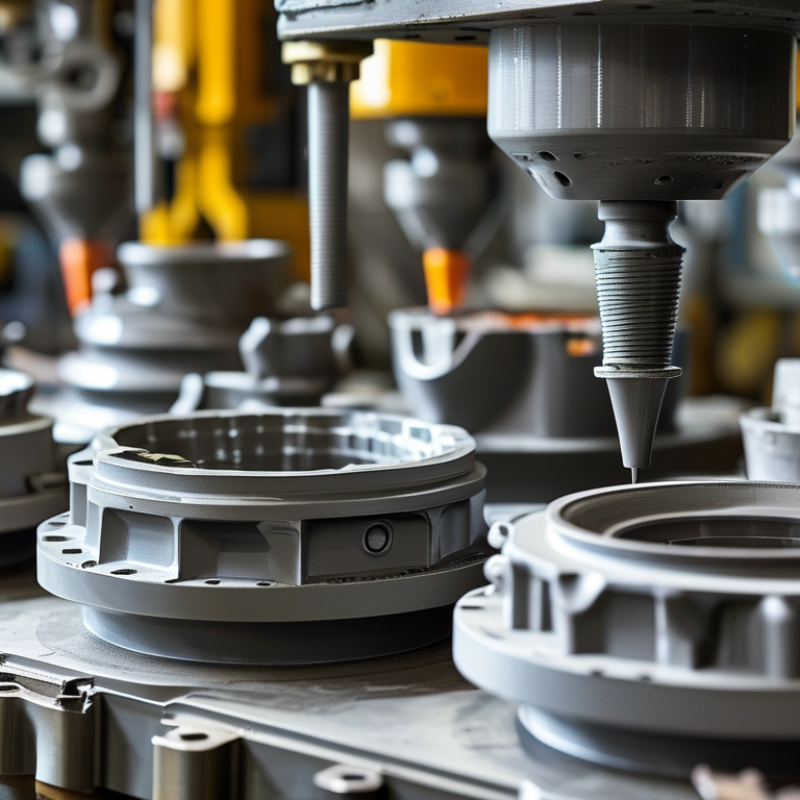
Injection molding is a manufacturing process for producing parts by injecting molten material into a mold. This method is widely used in various industries, including automotive, consumer goods, and medical devices. It allows for the creation of complex shapes with high precision and repeatability. According to a recent report by MarketsandMarkets, the global injection molding market is projected to reach $385.4 billion by 2027, indicating its growing significance in manufacturing.
The advantages of injection molding include fast production rates and the ability to use a variety of thermoplastic and thermosetting materials. However, the tooling costs can be high, making it essential for buyers to evaluate their options carefully. For instance, a study by Grand View Research highlighted that the demand for lightweight parts has driven innovation in the materials used, particularly for industries like aerospace and automotive.
Tip: When considering injection molding, focus on the part design. Complex designs may increase costs but can enhance functionality.
Also, stay informed about advancements in technology. New methods, like 3D printing molds, are becoming more popular. These can lower initial costs and reduce lead times.
Keep in mind that the choice of material can significantly affect the product's performance and cost. Understanding the properties of different plastics is crucial for optimizing production and ensuring quality.
Understanding the Applications of Injection Molding
This chart illustrates the various application areas of injection molding, highlighting that automotive uses comprise the largest percentage at 35%, followed by consumer goods at 25%. Medical devices and industrial applications each account for a smaller share, while packaging also represents 10% of the total applications.
Key Components of the Injection Molding Machine Explained
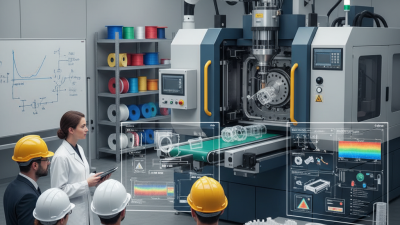
Injection molding is a complex process, but understanding its key components can bridge the knowledge gap for buyers. At the heart of this process is the injection molding machine. This machine consists of several vital parts, each playing a crucial role in creating high-quality plastic products.
The injection unit is responsible for melting the plastic material. It heats the granules until they become viscous. This molten plastic is then injected into a mold. The mold is designed to shape the product precisely. The clamping unit holds the mold closed during the injection and cooling phases. This pressure ensures that the product retains its form. The cooling system, often overlooked, plays a significant role too. It helps to solidify the plastic quickly, enhancing production efficiency.
Buyers should also consider the machine's control system. This system regulates temperature and pressure for accuracy. A well-functioning control system minimizes defects and ensures consistent quality. However, it’s crucial to reflect on the machine's maintenance needs. Regular checks can prevent unexpected failures, but many overlook this necessity. Understanding these components can empower buyers, guiding informed decisions in the injection molding process.
The Injection Molding Process: Step-by-Step Breakdown
The injection molding process is crucial for many industries. Understanding this process can empower buyers to make better decisions. Starting with the design phase, a prototype is created. This step is essential, as any flaws in the design can lead to costly adjustments later on. A digital model allows for refinement and testing before production begins.
Once the design is approved, material selection comes into play. Common materials include plastics, but each has different properties. Buyers should consider factors like durability and cost. After material selection, molds are crafted. Creating these molds is a meticulous process that demands precision. Any imperfections can affect the final product’s quality, so it requires serious attention.
Finally, the actual injection phase involves high pressure. Plastic is melted and injected into the mold. This is where the magic happens. Yet, challenges can arise. Cooling times, pressure settings, and cycle times all need careful monitoring. Understanding these factors can help buyers work more closely with manufacturers, ensuring a smoother production process. Knowledge of these steps leads to better communication and ultimately better products.
Factors Affecting Injection Molding for Buyers to Consider
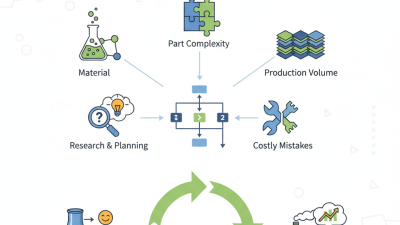
Understanding the injection molding process is crucial for buyers. There are several factors that influence the quality and cost of molded products. Part design plays a significant role. A well-thought-out design can reduce waste and improve functionality. Complexity often leads to higher production times and costs.
Material selection is another vital factor, impacting durability and appearance. Different polymers have unique properties. Some materials require special handling or equipment. Buyers should consider whether the selected material fits their product’s needs.
Tips: Always communicate your expectations clearly. Clear specifications help avoid misunderstandings. Be open to suggestions from manufacturers. They may provide insights to enhance your design.
Also, review sample products when possible. Analyzing prototypes can reveal potential flaws early. Identify any areas needing improvement to refine the final product. Understanding these factors can lead to more successful projects.
Cost Analysis: Budgeting for Injection Molding Projects
When budgeting for injection molding projects, understanding the cost factors is crucial. Initial expenses often include design, prototyping, and tooling. These elements can significantly influence the final price. For example, complex designs may require intricate molds, which can be costlier. A basic mold can start at a few thousand dollars, while advanced molds may reach tens of thousands. Always ask for detailed quotes to avoid surprises.
Material choice also plays a vital role. Different plastics come with varying costs. High-quality, durable materials may initially seem expensive but can save money in the long run due to reduced waste and failure rates. Equipment operation and labor should be considered too. Skilled labor often costs more, but investing in expertise can ensure better quality.
It's easy to overlook small expenses. Shipping, storage, and post-production processes can add up quickly. Reflecting on these factors helps fine-tune your budget. Each detail is critical in the injection molding process. Evaluating all potential costs ensures your project stays on track financially. Keep an eye on every aspect to avoid unexpected expenses.