Posts
What Is Acrylic Plastic and What Is It Used For?
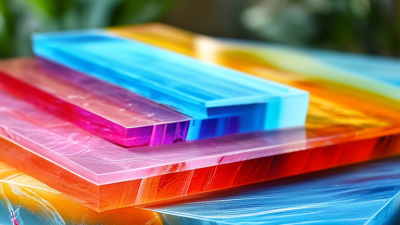
Acrylic plastic, also known by the trade name Plexiglas, is a clear thermoplastic valued for its light weight and impact resistance. It can resemble glass, yet a sheet is easier to shape and weighs less. Look closely at a shop window or a protective display cover: the material often feels smooth, with crisp edges that catch the light. Those qualities make acrylic useful in signs, lighting, glazing, display cases, and household products.
Chemist Otto Röhm pioneered the development of commercial acrylic materials. Rather than attribute an unverified quotation to him, it is more accurate to describe the principle his work helped establish: “A transparent plastic can offer practical alternatives to glass.” That distinction matters. Acrylic is not unbreakable, and its surface can scratch; heat, chemicals, thickness, and installation also affect performance. Choosing it well means matching the material to the job, not assuming one sheet suits every setting.
This guide explains what acrylic plastic is, how it is made, and where it performs best. It also explores common forms, advantages, limitations, and care. A small detail can change the outcome: a polished edge looks different from a cut one, and a thin panel behaves differently from a thick sheet. Knowing those trade-offs helps readers make more informed choices.

What Acrylic Plastic Is and How It Is Made
Acrylic plastic, or polymethyl methacrylate (PMMA), is a clear thermoplastic made from methyl methacrylate monomers. Unlike glass, it is lighter and can be shaped with heat, though it scratches more easily. Technical data published by the European chemical industry association reports that PMMA can transmit up to 92% of visible light in clear sheet form. That bright, glass-like appearance comes from its smooth surface and low light scattering. It is not magic.
Manufacturers make PMMA by joining methyl methacrylate molecules through polymerization. The resulting material can be formed into sheets, rods, or pellets. For cast sheet, liquid monomer is poured between glass plates and polymerized with controlled heat. This method can produce thick, optically clear panels, but small process variations may leave bubbles or uneven stress. Extruded sheet is made by melting PMMA pellets and pushing the melt through a shaped opening. It is often more consistent in thickness and suited to higher-volume production.
The PlasticsEurope report Plastics—the Fast Facts 2023 estimates global plastics production at 413.8 million tonnes in 2022; PMMA is only one small part of that broad category. The figure gives useful context, but it does not measure acrylic output specifically. That distinction matters. PMMA’s final properties depend on formulation, processing, and thickness, so a clear sheet should not automatically be treated as interchangeable with every other acrylic product.
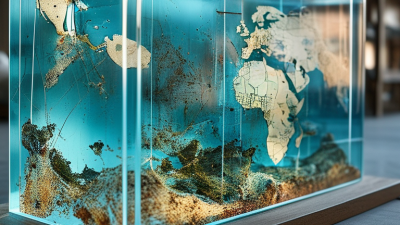
What the chart shows: Acrylic, or PMMA, is a transparent thermoplastic made by polymerizing methyl methacrylate. Its typical density is about 1.18 g/cm³, making it much lighter than soda-lime glass. Values are approximate and can vary by material grade.
The Chemical Structure and Main Types of Acrylic Plastic
Acrylic plastic is a clear thermoplastic often used as a lighter, shatter-resistant alternative to glass. Its common chemical name is polymethyl methacrylate, or PMMA. Along its long molecular chains, repeating units contain a carbon-based backbone and bulky ester side groups. That structure helps acrylic transmit light while resisting weathering. It is not unbreakable, though. A dropped sheet can crack, and its surface scratches more easily than glass.
Main types include cast and extruded acrylic. Cast sheets are formed in molds, often giving them more consistent thickness and better suitability for machining or engraving. Extruded sheets are made by pushing softened material through a shaping die. They usually have tighter thickness tolerances and can be easier to form with heat.
Impact-modified grades contain additives that improve toughness, sometimes with trade-offs in stiffness or optical clarity. Acrylic also appears in molded parts, display covers, skylights, signs, and protective panels.
Tips: Check the sheet’s thickness and intended use before cutting. Use a fine-tooth blade, support the material, and avoid excess heat. Keep protective film on during handling. Small details matter. I have seen a clean-looking edge turn cloudy after rushed sanding, so test your finishing method on a scrap piece first.
Key Properties That Shape Its Performance
Acrylic plastic, often called PMMA, is valued for its clear appearance and relatively low weight. A clean sheet can transmit light effectively, making objects behind it look bright and sharp. It also resists outdoor weathering better than many ordinary plastics, though prolonged exposure can still affect its surface. Acrylic is rigid, but it can crack under a hard impact; it is not as impact-resistant as polycarbonate. That difference matters for protective panels and display covers. It can also scratch, so rough wiping may leave visible marks.
Heat shapes its performance. Acrylic softens when warmed, allowing skilled fabricators to bend or form it into curved panels. But heat can also cause distortion or stress if cooling is uneven. Its dimensions may change with temperature, so tight-fitting installations need room for movement. In practice, these details are easy to overlook. A sheet that looks perfect on a bench may behave differently in direct sun.
Tips: Clean acrylic with a soft, damp cloth and mild soap. Avoid dry rubbing, which can drag dust across the surface. For a display panel, check the edges and mounting points before installation; small stresses can become cracks later. Keep protective film on during cutting, but remove it before prolonged sun exposure.
Common Uses of Acrylic Plastic Across Industries
Acrylic plastic appears in places where clear, lightweight material matters. In retail displays, it forms shelves, product stands, and protective cases that let customers see objects from several angles. A clean edge can make a display feel polished, though scratches show more readily than many people expect. Regular handling leaves marks.
In buildings, acrylic sheets serve as window panels, skylights, and interior partitions. They weigh less than glass and can be cut into curved shapes, which helps designers create rounded signs or canopy details. However, sunlight and temperature changes can affect some grades, so material selection matters. A panel used outdoors needs suitable weather resistance and proper support.
Healthcare and laboratory settings use acrylic for equipment covers, organizers, and transparent protective screens. Its visibility helps staff check contents without opening a container. In vehicles, acrylic may appear in light covers, instrument panels, and aircraft windows, where low weight is useful. Aquariums also use thick acrylic panels because they can be formed into large viewing windows. The trade-off is real: acrylic can scratch or crack under impact, and repairs may not restore a flawless surface.
In practice, the best choice depends on thickness, exposure, and how often the part will be cleaned.
Advantages and Limitations of Acrylic Plastic
Acrylic plastic is valued for its clear, glass-like appearance and comparatively low weight. A sheet can admit daylight while making a display case easier to move than a similar glass one. It also resists many impacts better than ordinary glass, though it can still crack under a sharp blow. In workshops, acrylic is relatively easy to cut, shape, and polish with suitable tools. Clean edges matter. A carefully finished panel can look crisp; a rushed cut may leave cloudy marks or stress points.
Its limitations become obvious during daily use. Acrylic scratches more readily than glass, so wiping dust with a dry cloth can leave fine lines. Use a soft, clean cloth and a cleaner intended for the material. Some solvents can cause clouding or small cracks, and heat may warp a panel if it is placed too close to a hot lamp. Not indestructible. Acrylic can also expand with temperature changes, so fittings need room for movement rather than tight pressure at every edge. It may cost more than basic glass in some sizes, and repairs can be visible. For a sunlit sign or protective screen, the balance may be worthwhile; for a surface handled roughly, scratches can become frustrating. The right choice depends on the setting, not just its clarity.
What Is Acrylic Plastic and What Is It Used For? — Advantages and Limitations of Acrylic Plastic
| Category | Property or Application | Typical Details | Practical Consideration |
|---|---|---|---|
| Material identity | What acrylic plastic is | A transparent thermoplastic commonly made from polymethyl methacrylate (PMMA). | It is often used as a lightweight alternative to glass, but it is not glass and has different impact and heat performance. |
| Optical performance | Light transmission | Clear PMMA sheet commonly transmits about 92% of visible light, depending on thickness and grade. | Its clarity makes it suitable for applications where visibility and light transmission matter. |
| Physical properties | Density | Approximately 1.18 g/cm³ for typical PMMA. | It is substantially lighter than ordinary soda-lime glass of comparable volume. |
| Mechanical properties | Strength and stiffness | Typical unmodified grades have tensile strength around 50–75 MPa and a tensile modulus around 2.4–3.3 GPa. | Values vary with grade, processing, specimen shape, and test method; acrylic can crack under impact or stress concentration. |
| Weather resistance | Outdoor exposure | PMMA generally has good resistance to sunlight and weathering compared with many common plastics. | Outdoor performance depends on grade, thickness, installation, and exposure conditions. |
| Advantages | Low weight and easy fabrication | Sheets can be cut, drilled, polished, thermoformed, and bonded using suitable processes. | Fabrication methods and adhesives must be selected for the specific grade to reduce cracking, crazing, or distortion. |
| Limitations | Scratch and impact resistance | Acrylic can scratch more readily than glass and is generally less impact-resistant than polycarbonate. | Use protective coatings or careful cleaning where abrasion is likely; choose another material where high impact resistance is essential. |
| Limitations | Heat and chemical sensitivity | Many standard grades soften at temperatures lower than glass and can be damaged by some solvents and chemicals. | Check the manufacturer’s grade data and chemical compatibility before use, especially near heat sources or cleaning agents. |
| Common uses | Windows, screens, and glazing | Used in protective screens, secondary glazing, skylights, and some vehicle or equipment windows. | Thickness, support, fire requirements, and applicable building or safety codes determine suitability. |
| Common uses | Signs, displays, and lighting | Used for illuminated signs, display cases, light covers, and presentation fixtures. | Clear, colored, translucent, and light-diffusing grades are available for different visual effects. |
| Common uses | Aquariums and protective panels | Thick PMMA panels are used in some aquariums, observation windows, and machine guards. | Panel thickness and support design must account for water pressure, load, and the specific installation. |
Property figures are typical reference values for common acrylic grades, not guaranteed specifications. Always consult the technical data for the exact material and application.
Related Posts
-
Top 10 Acrylic Plastic Manufacturers Worldwide?
-
2026 Best Plastic Panels for Home and Garden Use?
-
What Are Acrylic Sheets and What Are They Used For?
-
Ultimate Tips for Sourcing Acrylic Plastic Products?
-

How to Choose the Perfect Acrylic Sheets for Your Project
-
2026 Top Trends in Colored Acrylic Sheets for Global Buyers?