Posts

How to Choose Cast Acrylic Sheets in 2026?

Choosing cast acrylic sheets in 2026 requires more than comparing price and surface gloss. Buyers must connect material performance with the final application. A clear display panel may need excellent light transmission, while an outdoor sign needs ultraviolet resistance and stable color. A machine guard requires impact data, accurate thickness, and dependable fabrication behavior. Small differences become visible under bright lighting.

Recent industry research supports this wider view. Grand View Research’s Acrylic Resins Market Size, Share & Trends Analysis Report, 2024–2030, identifies construction, automotive, and signage as important demand areas for acrylic-based materials. MarketsandMarkets’ Acrylic Sheets Market reports similarly highlight growth in transparent, lightweight alternatives to glass. These reports show market direction, not a guarantee for every supplier. That distinction matters.

This guide examines grade, thickness, tolerance, finish, color stability, and processing requirements. It also considers ISO 7823-1 and ASTM D788 references, where applicable. Supplier documentation should include technical data sheets, batch information, and ideally a certificate of analysis. Requesting a small sample is still wise. It can reveal waviness, masking adhesion, edge quality, or unexpected machining stress before a large order arrives.

No checklist is perfect. A sheet that performs well in a showroom may fail beside a hot window. Recycled content may support sustainability goals, but it can also require closer inspection of consistency and certification. The best choice balances evidence, application conditions, and realistic manufacturing experience. Cost matters, but replacement costs matter more.

How to Choose Cast Acrylic Sheets in 2026?

Define Your Project’s Acrylic Sheet Requirements

How to Choose Cast Acrylic Sheets in 2026?

Define Your Project’s Acrylic Sheet Requirements

Begin with the working environment, not the color chart. Measure the opening, support spacing, viewing distance, and expected impact. A 3 mm sheet may suit a protected display, while a 6 mm panel feels safer for a larger interior divider. Cast acrylic commonly transmits about 92% of visible light, according to technical data aligned with ASTM D1003 testing. Confirm the actual value from the supplier’s test report.

Outdoor use requires stricter questions. Ask for weathering results, thickness tolerance, surface hardness, and recommended cleaning methods. Acrylic typically has a density near 1.19 g/cm³, making it lighter than glass, but thermal movement still matters. Design allowances should reflect the installation temperature and panel length. ISO 4892-based exposure data can help compare weathering performance, although accelerated testing never perfectly copies a real rooftop.

Market evidence supports careful specification. Grand View Research reported continued growth in the global acrylic sheets market, with demand linked to construction, lighting, and signage applications. That growth does not make every sheet suitable. Consider fire performance, edge finishing, drilling stress, and transport protection before ordering. Small mistakes become visible at the cut edge. A perfect specification is rare. I would also question whether maximum transparency is truly necessary; glare, privacy, and cleaning frequency may matter more in daily use.

Compare Cast Acrylic With Other Plastic Sheet Types

How to Choose Cast Acrylic Sheets in 2026? Compare Cast Acrylic With Other Plastic Sheet Types

Cast acrylic is often chosen for display covers, signage, lighting panels, and protective glazing. Clear grades typically transmit about 92% of visible light. Polycarbonate usually transmits 88–90%, but resists impact better. PETG bends more easily and suits formed guards. PVC can reduce cost, yet its appearance and weather performance vary widely. ISO 7823 helps buyers check PMMA sheet classifications, thickness, and tolerances. Do not treat every acrylic sheet as equivalent.

For outdoor projects, cast acrylic offers strong color stability and a glass-like surface. It is also easier to polish after cutting than many alternatives. However, it can crack around poorly drilled holes. Polycarbonate handles sudden impacts better, while acrylic usually offers better scratch resistance. According to PlasticsEurope’s Plastics—The Fast Facts 2024, global plastics production reached 413.8 million tonnes in 2023. That figure makes material efficiency important, not just initial price. A thinner sheet may save material, but poor support can increase replacement waste. This is where my selection process sometimes needs correction: visual clarity alone is not enough.

Tips: Compare light transmission, impact strength, UV exposure, thermal movement, and machining needs. Request test data for the exact grade. Check the surface under angled light. Small scratches become obvious there. For frequently handled panels, polycarbonate may be the safer choice. For premium clarity and polished edges, cast acrylic often remains stronger.

How to Choose Cast Acrylic Sheets in 2026?

Comparing Cast Acrylic with Other Plastic Sheet Types by Typical Tensile Strength

The chart uses representative midpoint values from commonly published technical ranges for standard sheet-grade materials. Cast acrylic provides a strong balance of rigidity, optical clarity, weather resistance, and ease of fabrication. Polycarbonate is generally preferred when very high impact resistance is the priority, while HDPE offers lower density and excellent chemical resistance.

Tensile strength values are approximate typical values measured in MPa; actual performance varies by grade, thickness, temperature, and test standard.

Select the Right Thickness, Color, Finish, and Transparency

How to Choose Cast Acrylic Sheets in 2026?

Selecting cast acrylic starts with thickness, not appearance. Measure the unsupported span, mounting points, and expected impact. A thin sheet may suit a small display panel, but it can flex across a wide frame. For shelves, guards, or outdoor covers, choose extra thickness after checking the actual load. I have seen attractive panels fail because the installer trusted appearance instead of measurements. A digital caliper helps verify sheet thickness and reduces ordering mistakes.

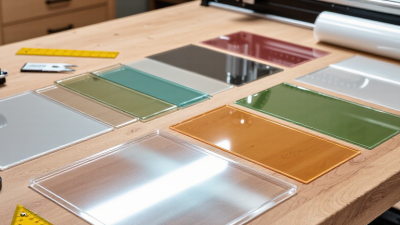
Color and transparency should match the viewing distance and lighting. Clear acrylic provides maximum light transmission, while translucent sheets soften glare and hide internal hardware. Solid colors offer stronger visual privacy and can support wayfinding. Test a sample beside the intended background. A color that looks balanced indoors may appear harsh under cool LED lighting. Tinted material can also change how printed graphics appear.

Tips

Compare samples at different times of day. Inspect both faces for scratches, dust, and uneven gloss. Choose a glossy finish for brighter reflections, or a matte finish for touch-heavy surfaces. Matte textures hide fingerprints, but they may reduce visual clarity. For curved or fabricated parts, confirm the supplier’s cutting tolerance and edge quality. I would not skip this check, even for a small project. Tiny edge chips can become obvious after polishing or installation. Keep the protective film on until the final fitting, but remove it briefly to inspect the actual finish.

Evaluate Quality, Safety Standards, and Supplier Reliability

Choosing cast acrylic in 2026 should begin with evidence, not attractive photographs. Ask for thickness tolerance, light transmission, color consistency, and impact data for the intended application. For cast sheets, compare claimed compliance with standards such as ISO 7823-1 or ASTM D4802. Check the edition and testing scope carefully.

A clear panel can still contain internal stress. Inspect sample edges under angled light; bubbles, flow lines, and cloudy zones often appear there. Run a small machining trial only when your technical team approves it. I have learned that easy cutting does not prove long-term stability. Check suitability for outdoor exposure, temperature changes, cleaning chemicals, and expected loading.

Safety needs more than a generic certificate. Request current test reports, safety data, and declarations identifying the tested product and thickness. For public-facing installations, confirm fire behavior and local building requirements with a qualified professional. Do not assume one rating applies everywhere. Supplier reliability is visible in small details. A dependable supplier provides batch numbers, production dates, packing controls, and a written complaint process. Ask for a retained sample and replacement policy before placing a large order. Compare lead times against actual shipment records, not promises. During one evaluation, I focused too heavily on price and overlooked inconsistent protective film. That mistake caused extra cleaning and rework. Choose a supplier willing to discuss limitations, not one claiming perfection.

Confirm Pricing, Cutting Options, Delivery, and Long-Term Value

When choosing cast acrylic sheets in 2026, request a detailed quotation, not only a price per sheet. Ask whether the figure includes protective film, packaging, taxes, and cutting waste. Compare thickness, color consistency, surface quality, and sheet dimensions. A low quote may hide setup fees. For a display panel, I check edge clarity under a bright inspection lamp. For a machine guard, accurate thickness and stable dimensions matter more than appearance. Request a technical data sheet and batch information when consistency is important.

Cutting options should match the drawing. Confirm saw cutting, CNC routing, drilling, polishing, and hole tolerances before ordering. Ask for a sample edge and a marked cutting diagram before production. This prevents a 3 mm hole from becoming a costly surprise. Some suppliers accept CAD files, while others need dimensioned PDFs. Clarify acceptable tolerances, corner radii, and masking direction. I prefer a written approval step, although it can slow urgent orders. That small delay often protects the final fit.

Delivery deserves equal attention. Confirm stock status, production time, dispatch date, crate design, and tracking details. Large sheets can arrive with chipped corners when packaging is too light. Request transport guidance for vertical or flat storage at your site. For repeat projects, calculate replacement risk, cleaning needs, UV stability, and expected service life. A slightly higher price may reduce refitting and downtime. Still, long-term value is easy to overestimate without usage data. Review the sheet after installation and record scratches, warping, and color change. Those notes improve the next purchase.